An international multidisciplinary team aboard a catamaran, species never before recorded in Greece, and Shags fitted with GPS trackers: the 4th PIM mission in Greek waters lived up to its promise!
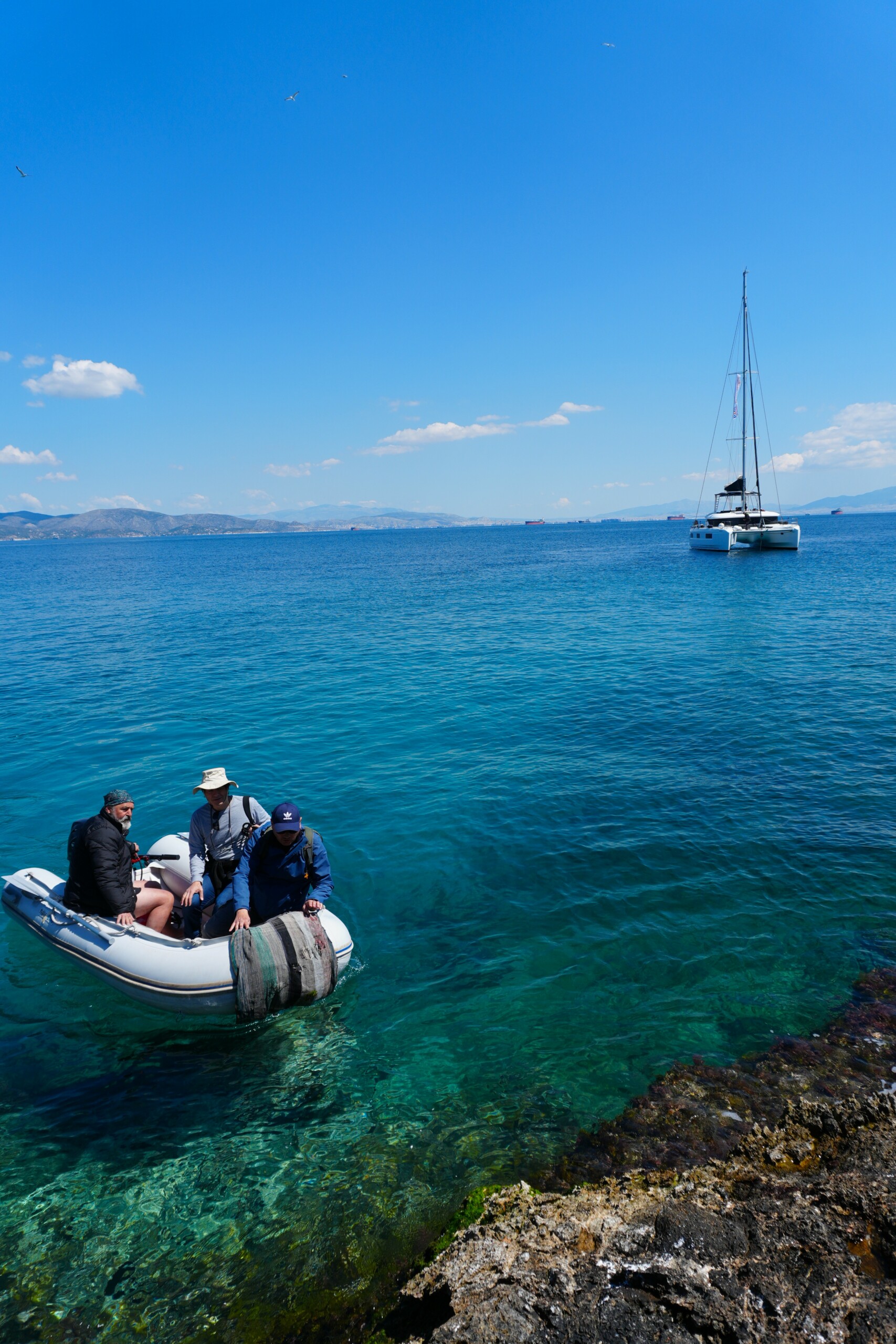
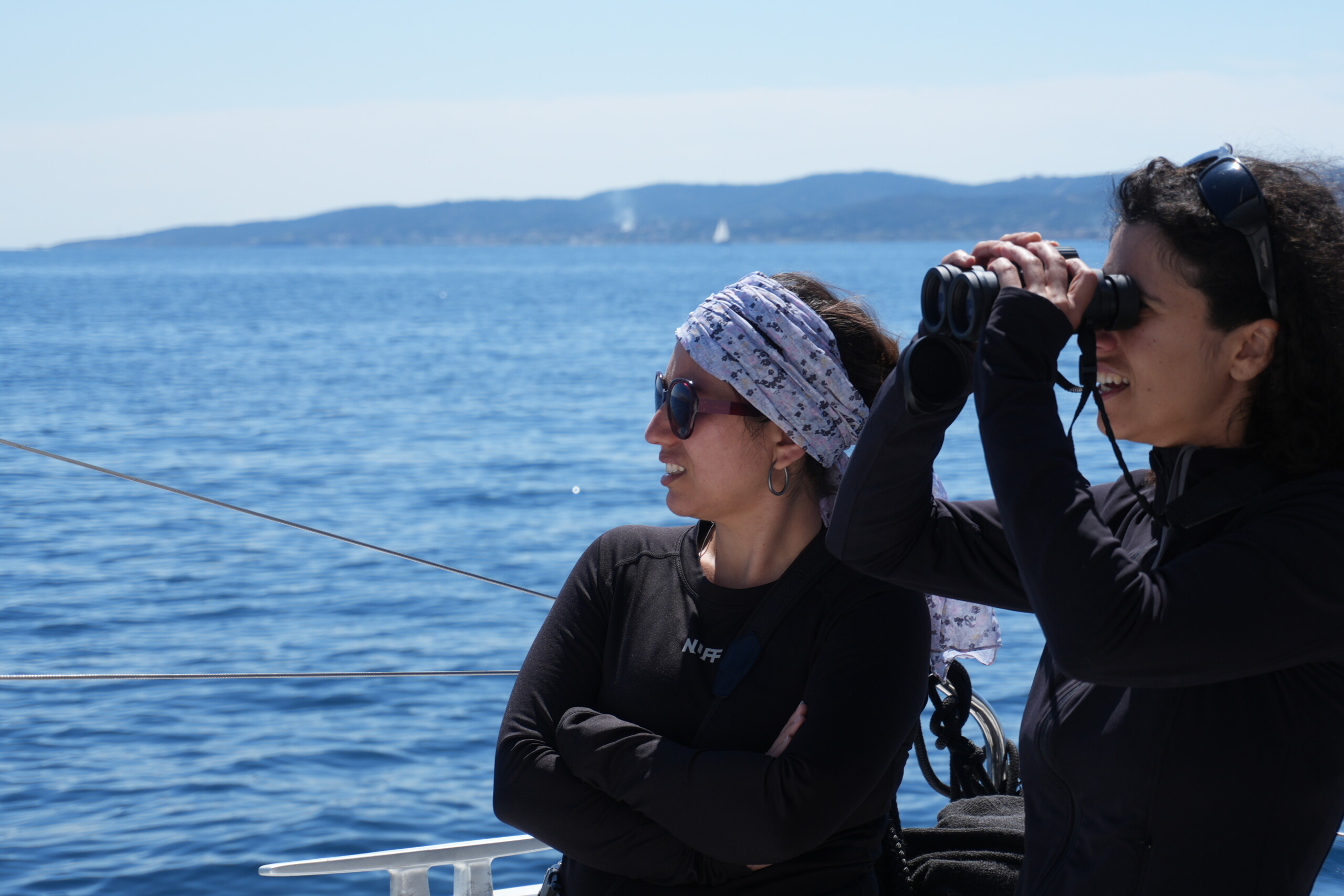
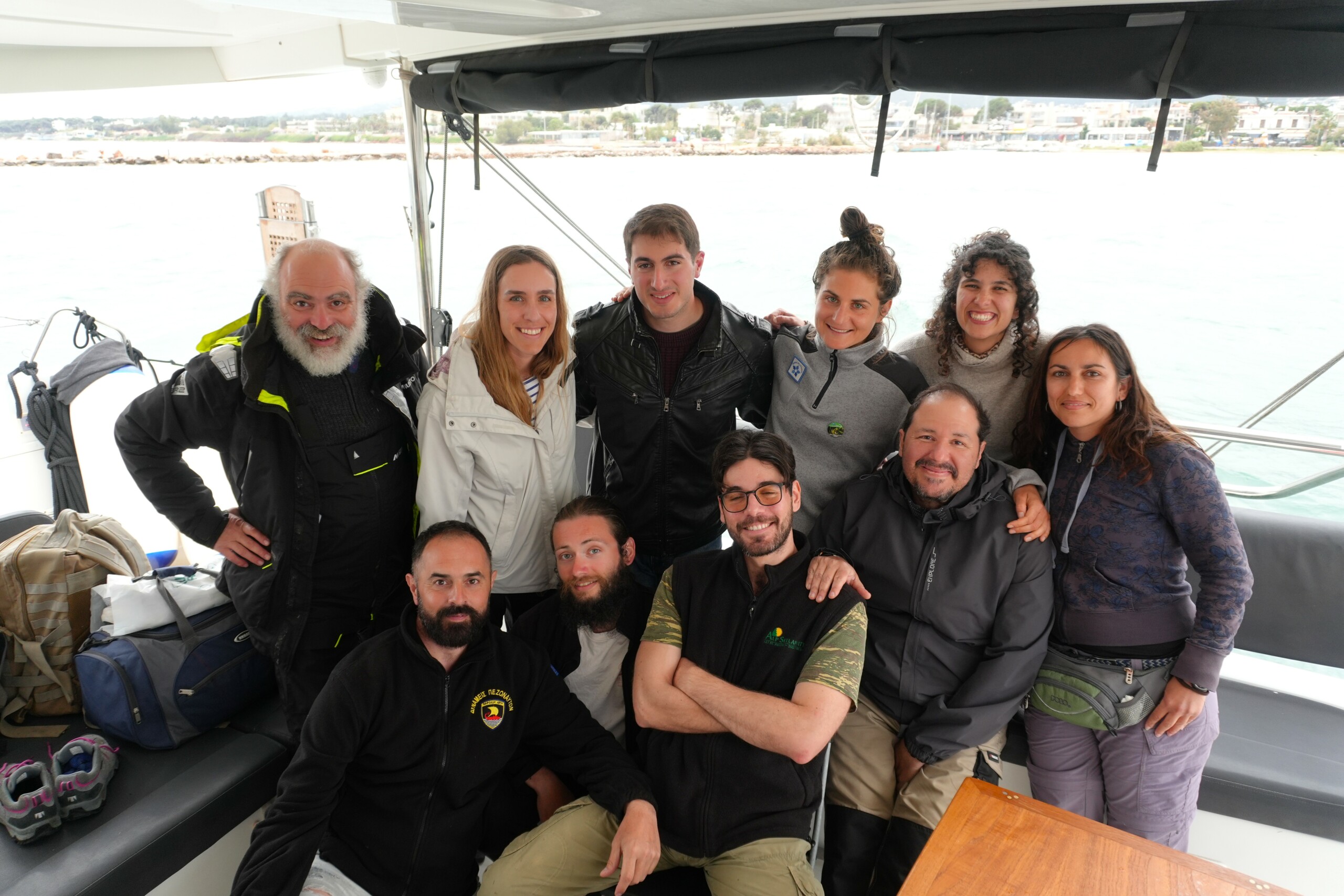
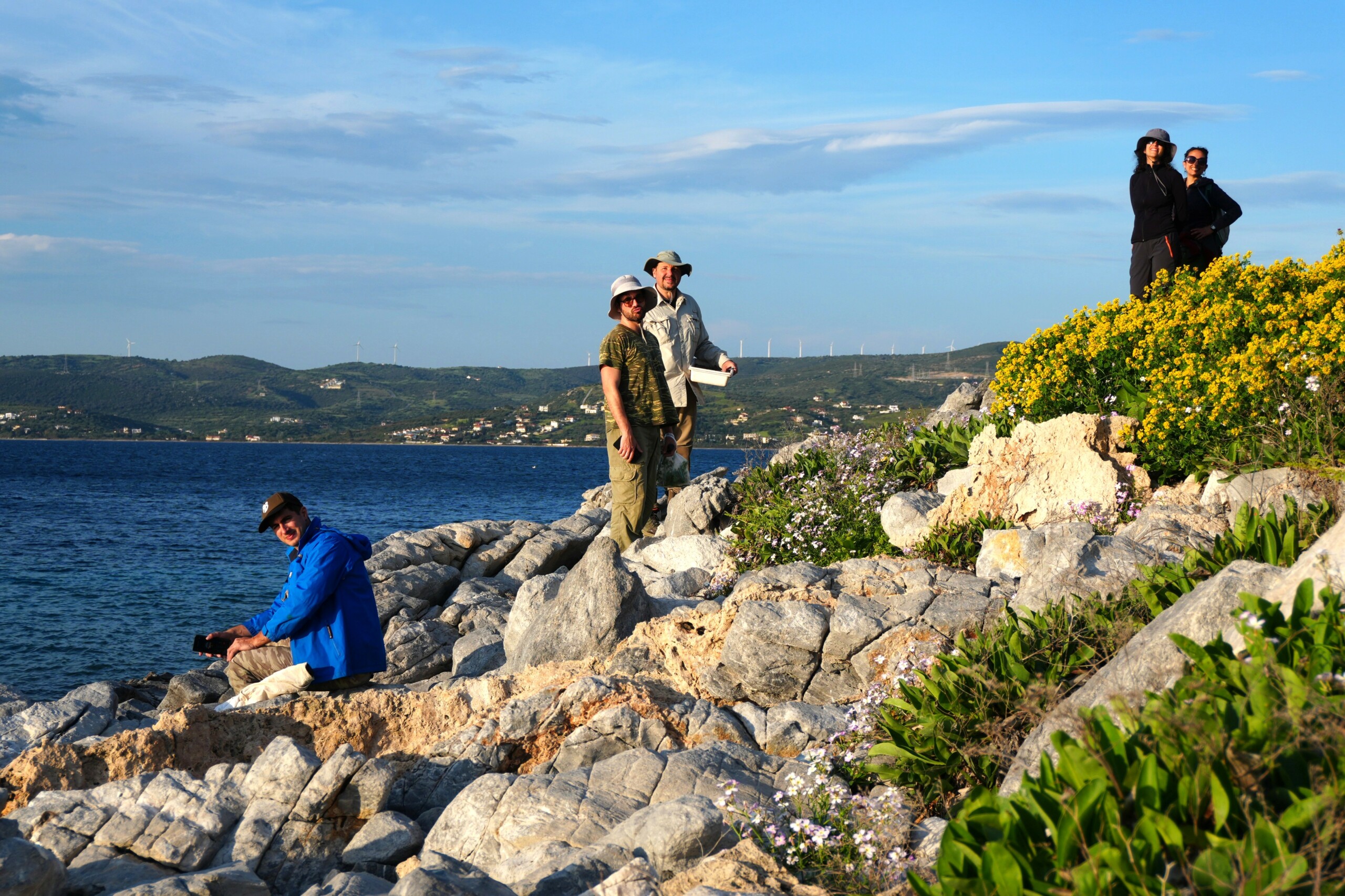
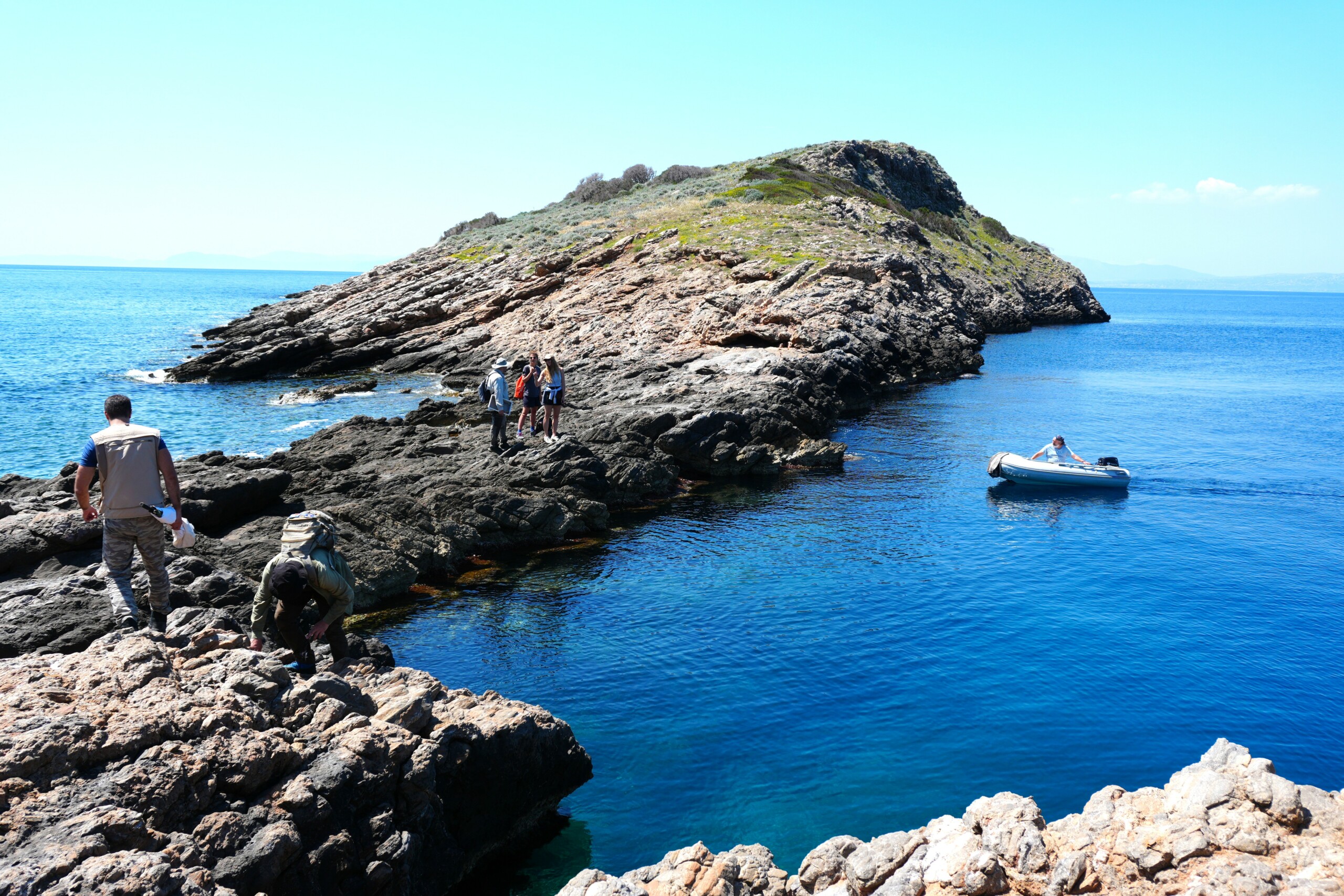
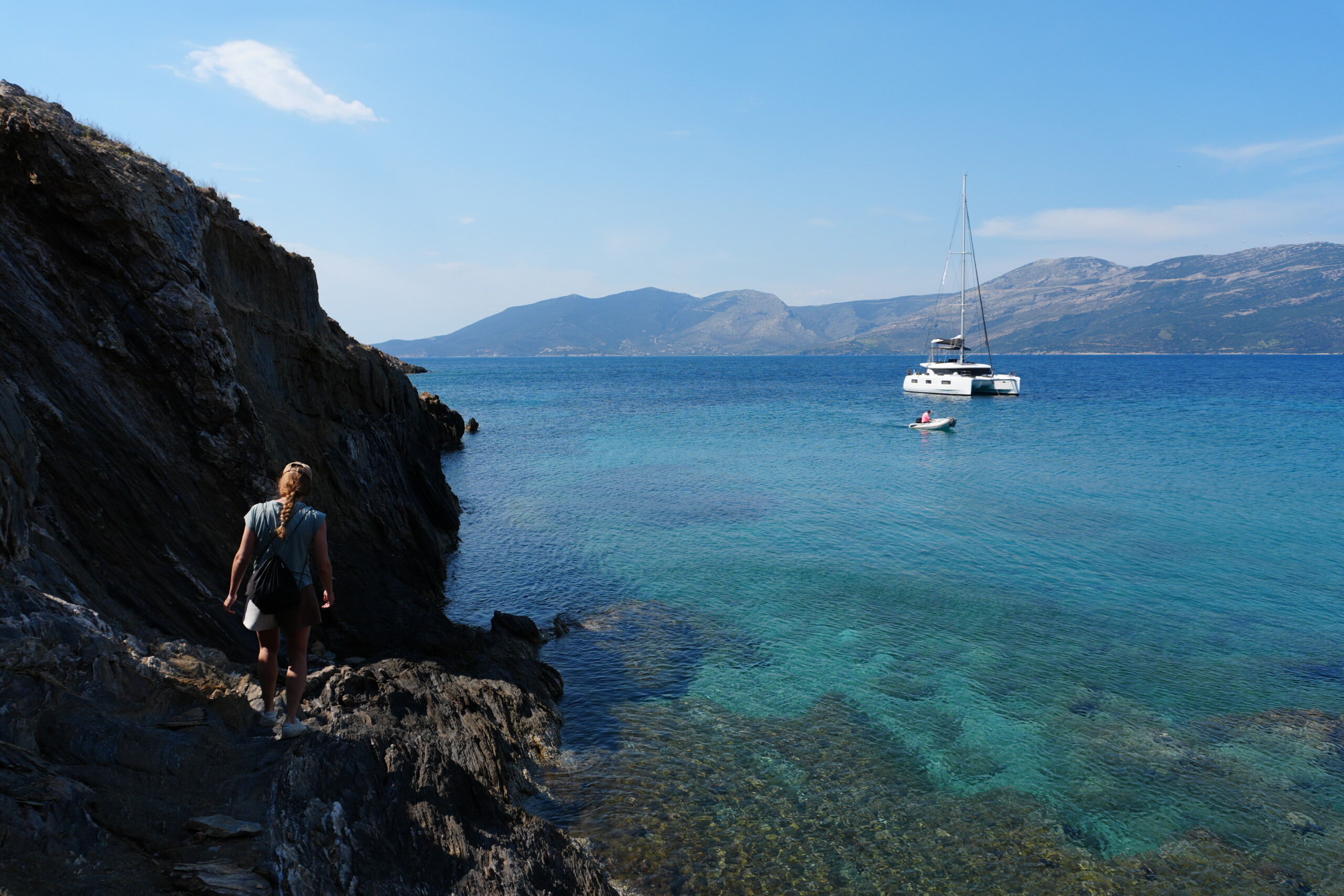
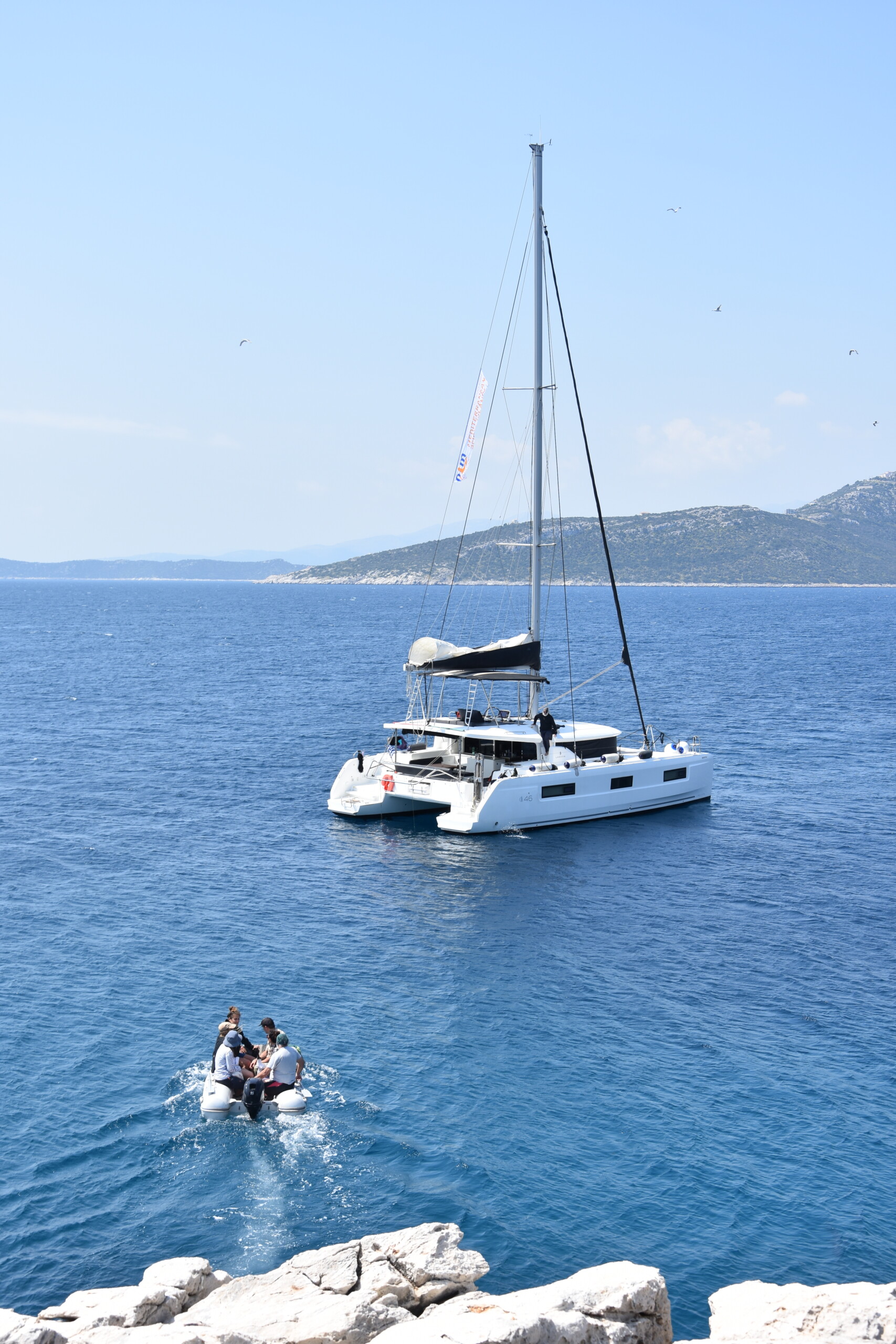
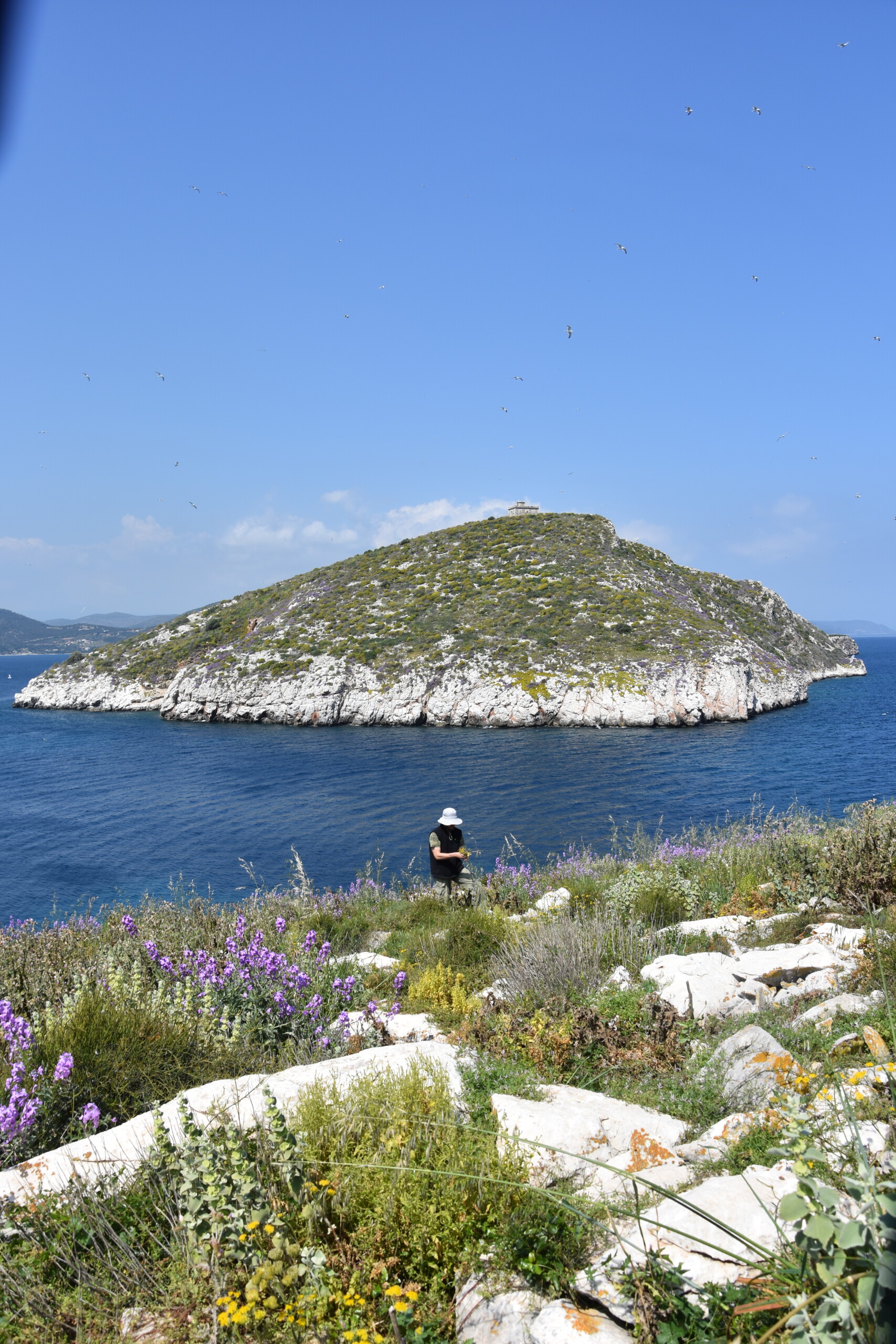
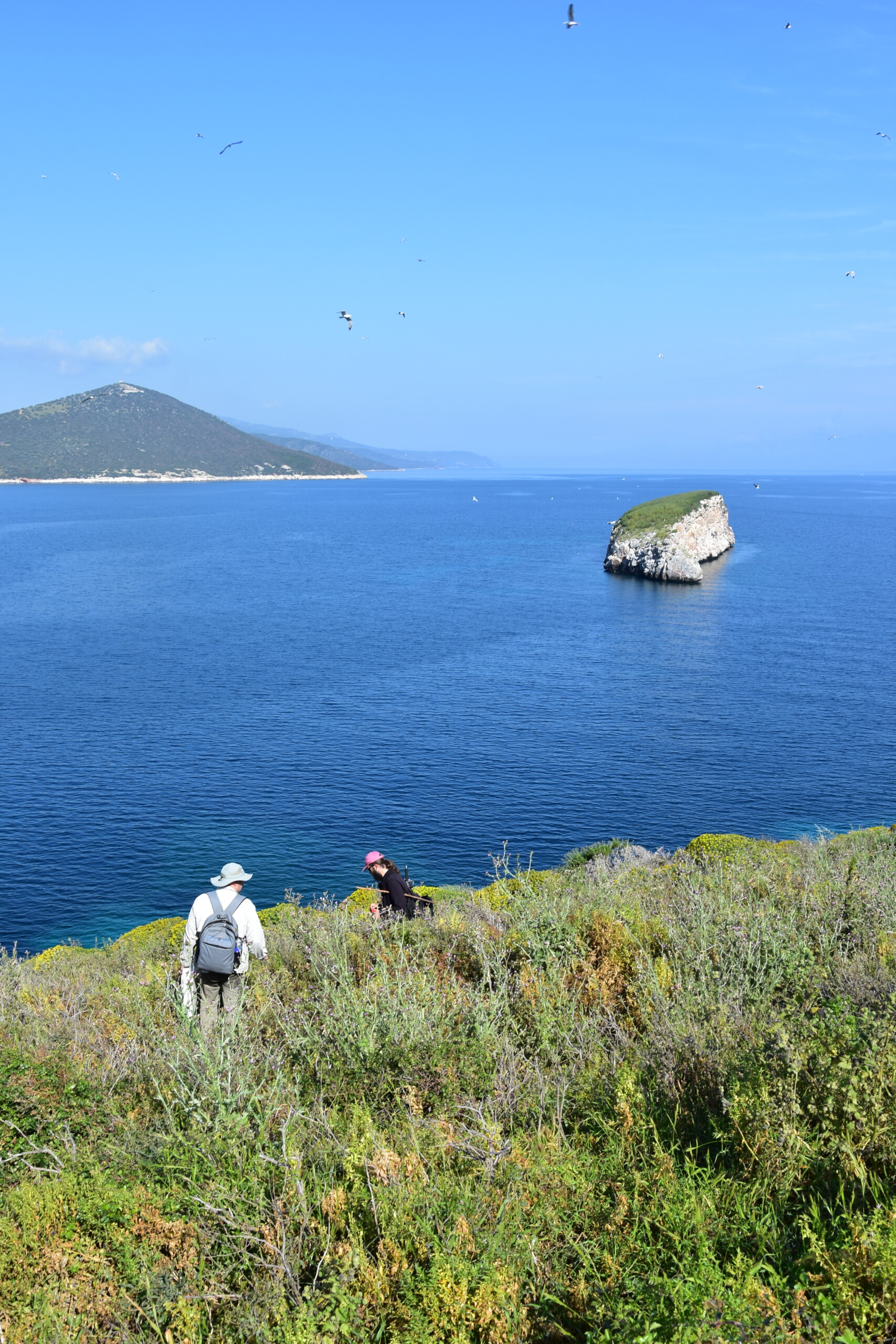
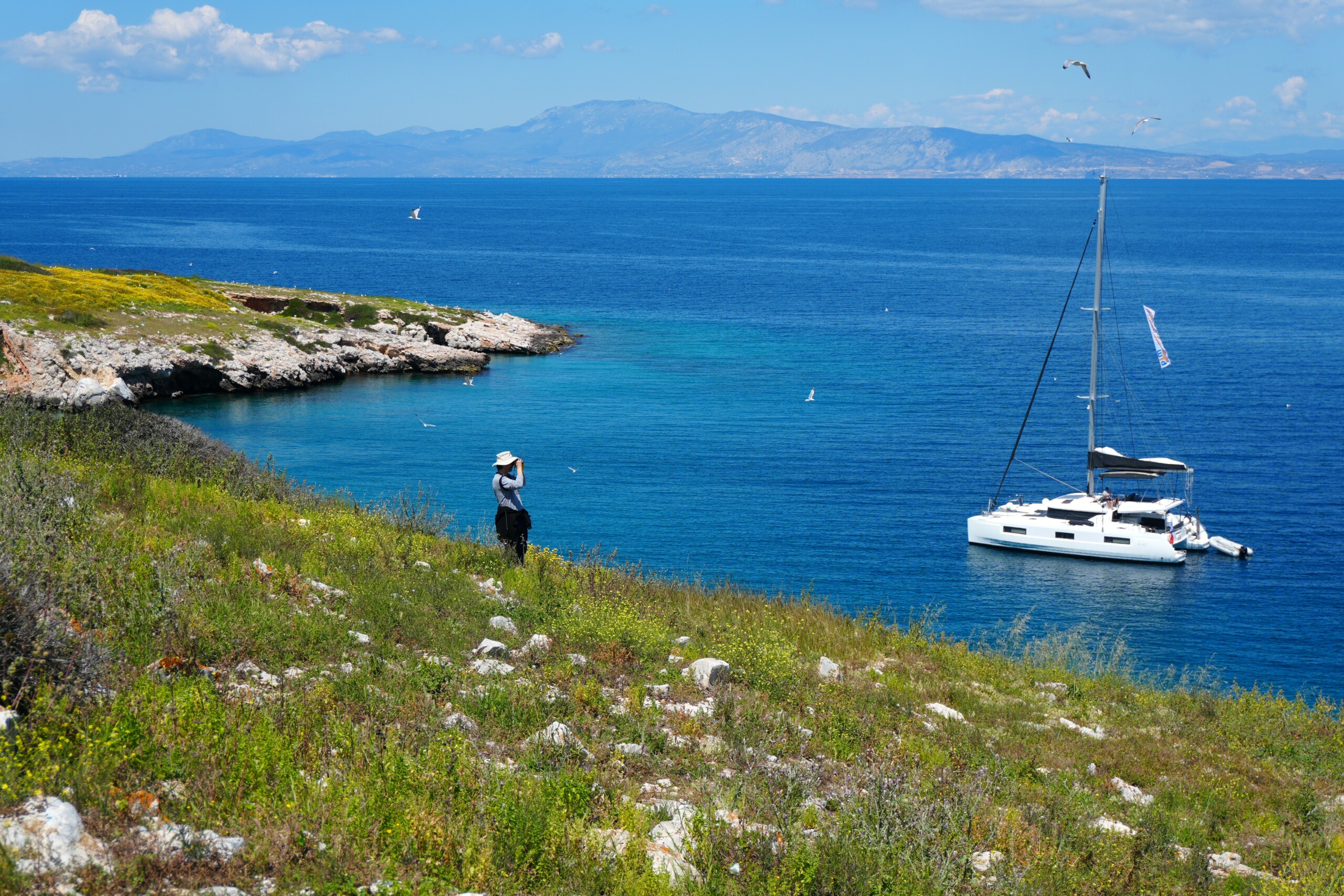
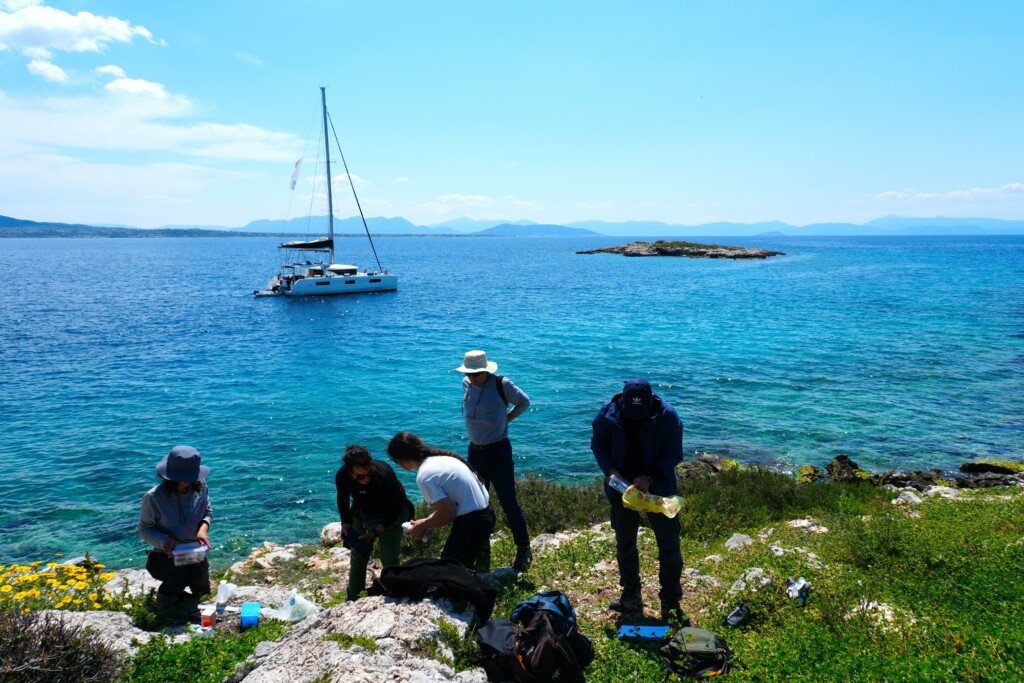
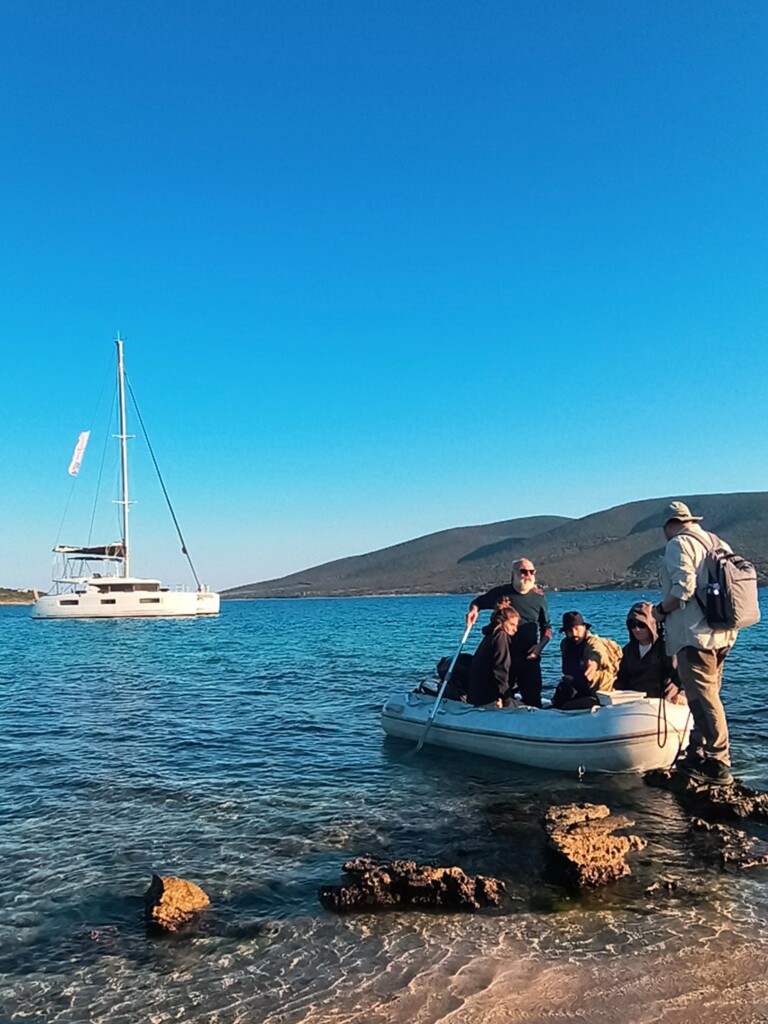
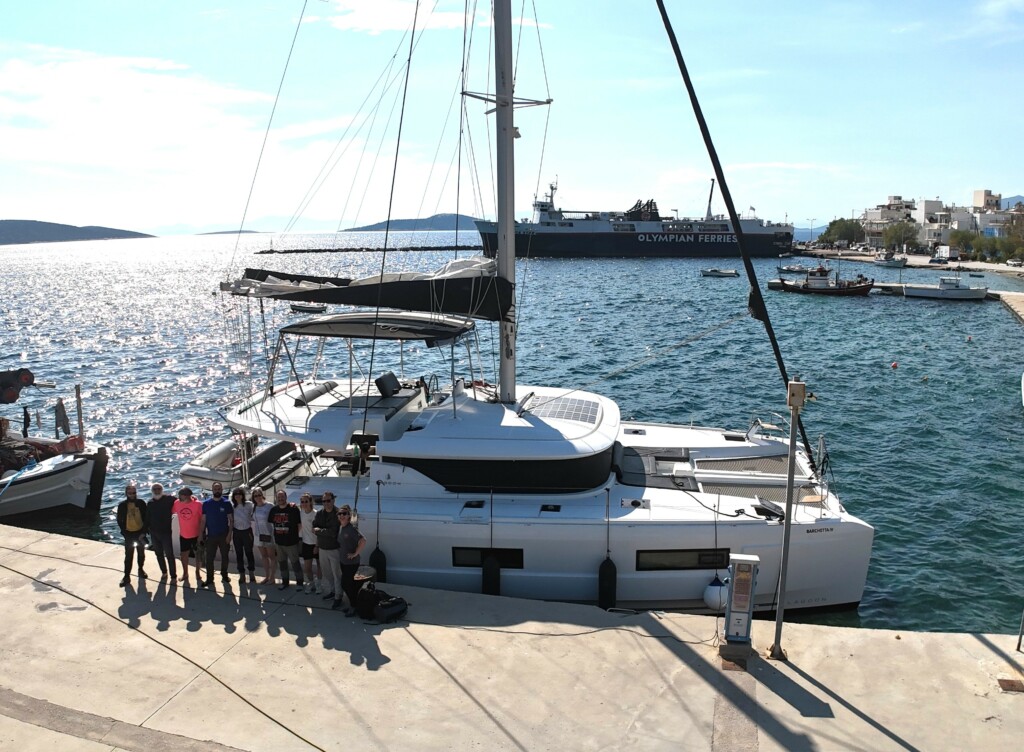
From April 18 to 24, 2026, the catamaran Barchetta crisscrossed the waters of the Gulf of Euboea for the fourth naturalist expedition organized by Initiative PIM as part of its program to gather knowledge about the small islands of the Mediterranean. With a team of about ten experts on board from the Ionian University, the University of Athens, the Natural History Museum of Crete, the University of Oxford, and the University of Michigan, some fifteen islets were surveyed using a multidisciplinary approach: flora, seabirds, reptiles, and invertebrates were each the subject of meticulous inventories.
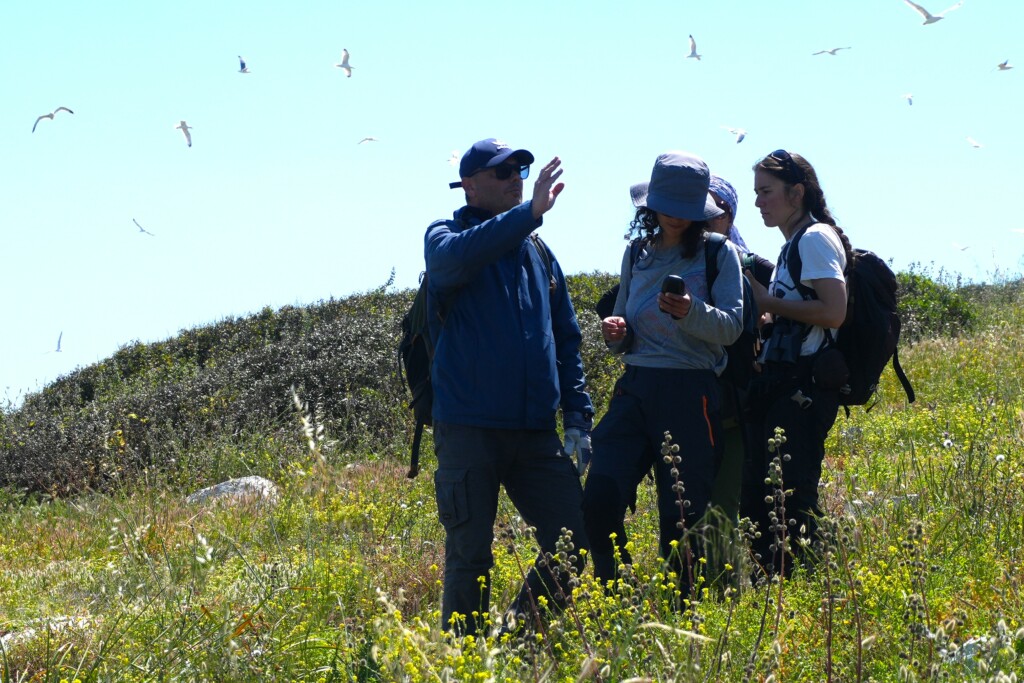
It is precisely this diversity of perspectives that is the strength of these expeditions. Botanists, ornithologists, entomologists, and herpetologists, all aboard the same ship, can compare their observations in real time, capture the complexity of island ecosystems, and shed light on the interactions between different biological components. This integrated approach is now essential for strengthening conservation strategies capable of addressing the unique challenges facing the biodiversity that finds refuge on these islands.
Among the vast amount of data collected was a beetle species observed that had never before been recorded in Greece. This significant breakthrough will be detailed in the PIM naturalist report currently being drafted. The sixth and final day alone illustrates the value of these repeated expeditions over time: the detour to the Saronic Islands—an archipelago previously surveyed during the 2024 PIM mission—allowed the team to build on an observation made two years ago: that of a large colony of Mediterranean cormorants, identified at the time by the team’s ornithologists. Armed with this accumulated knowledge, the experts were able to take things a step further this time: they captured three juveniles born just a few weeks earlier, banded them to facilitate identification, and fitted one with a GPS tracker. Tracking them in real time will provide a better understanding of their behavior and habitats, ultimately helping us determine how best to protect them. A fine demonstration of what regular returns to the same sites can achieve in terms of scientific progress!
The week concluded with an institutional meeting in Athens between Eva Tankovic, Director of Initiative PIM, and Kostantinos Triantis, Director of NECCA, the Greek public agency responsible for protected areas, opening up prospects for enhanced collaboration on the conservation of the Greek islands.
This April 2026 mission is the fourth conducted by Initiative PIM in Greece since 2023. The team left with the same conviction: to return next year, and in the years to come. The thousands of islets scattered across the Greek seas harbor a fragile and still largely unknown biodiversity, which these regular explorations will help document and protect.