
Following the CAIPIM project training session held in February in Monastir, Tunisia, for managers of partner pilot sites, the project can now enter its operational deployment phase in the field. Several dedicated missions have since taken place to support partners during the implementation phase: from Cape Verde to Corsica, via Menorca, Greece, Montenegro, and Morocco, the community united around the project is fully mobilized!
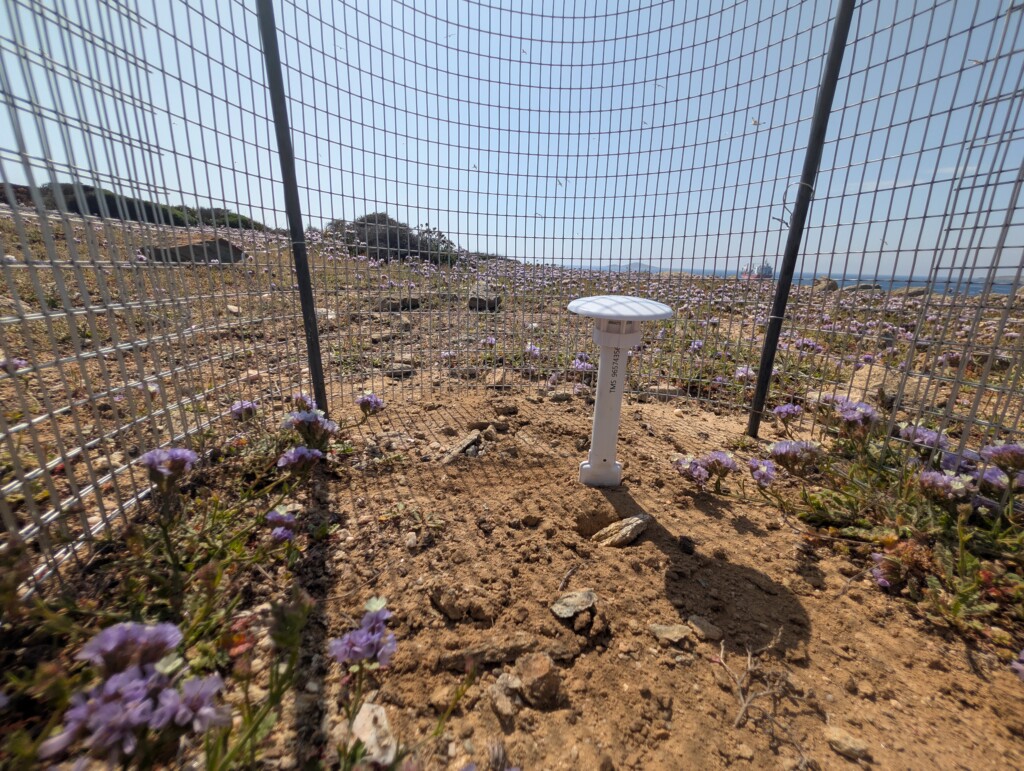
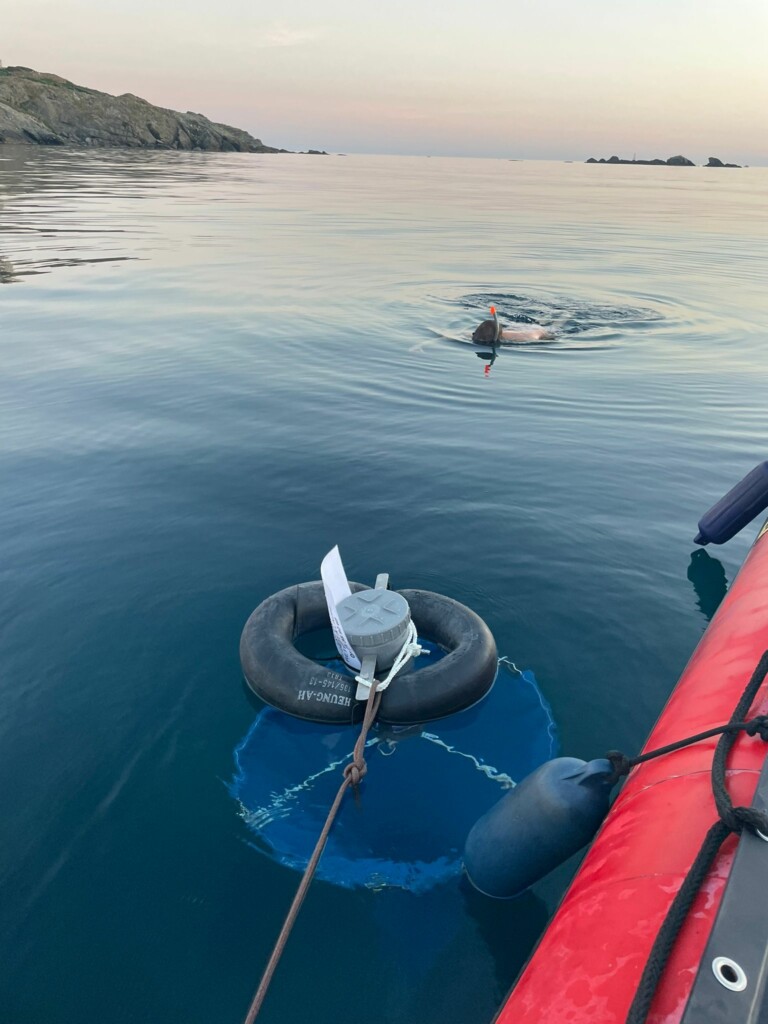
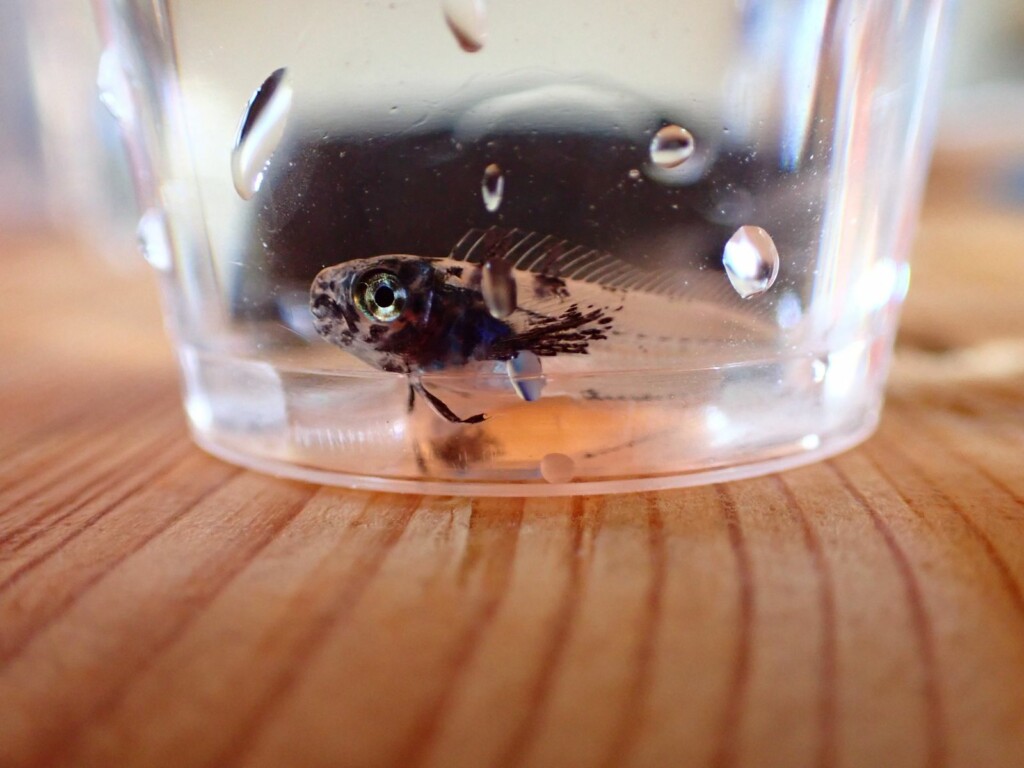
CAIPIM, ‘Understanding, Acting and Innovating to Protect the Small Islands of the Mediterranean and Macaronesia’, aims to assess and mitigate the impacts of global change on the small islands of the Mediterranean and Macaronesia, by demonstrating the crucial role these micro-island habitats play in biodiversity. To this end, it relies on seven standardised protocols for terrestrial and marine monitoring. On land, these aim to monitor climate change through the installation of micro-sensors, assess the presence of litter in seabird nests, map habitats and vegetation to track their changes, identify any invasive alien species, and survey historical and cultural heritage to analyse its vulnerability. At sea, the aim is to identify key nursery areas for juvenile fish, as well as to capture post-larvae at times that provide insights into the species present around the islands, as well as their abundance.
These protocols, proposed during the first phase of the project, have been implemented during several field missions in the Mediterranean and Macaronesia since early 2026. These missions were carried out jointly by PIM Initiative and the Conservatoire du littoral, in close collaboration with local authorities:
Cape Verde – Boa Vista (march 14-22, 2026)
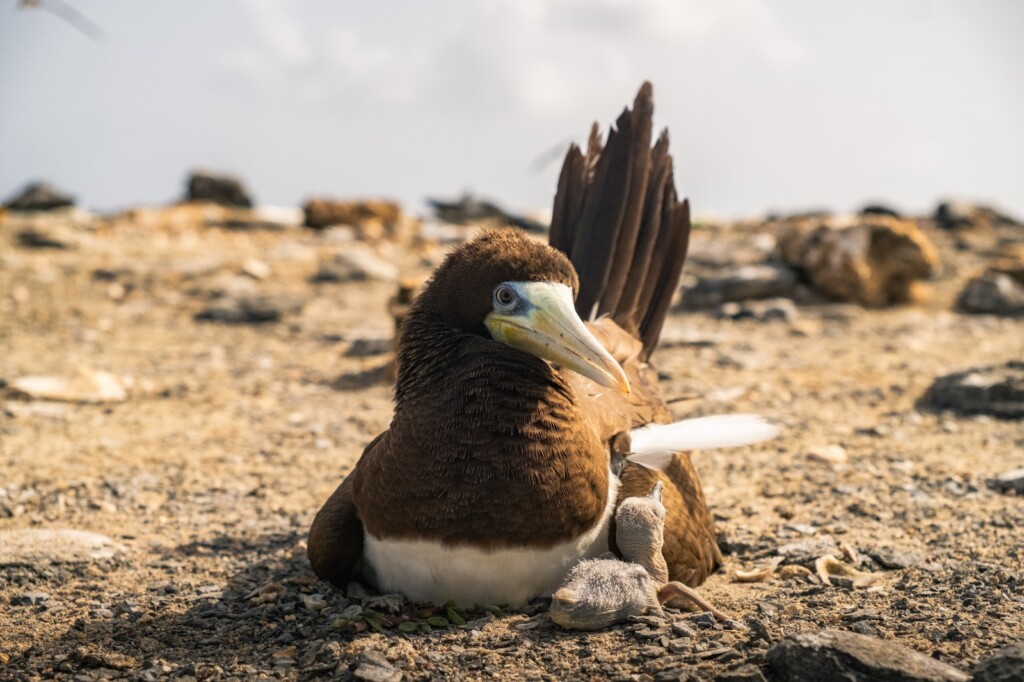
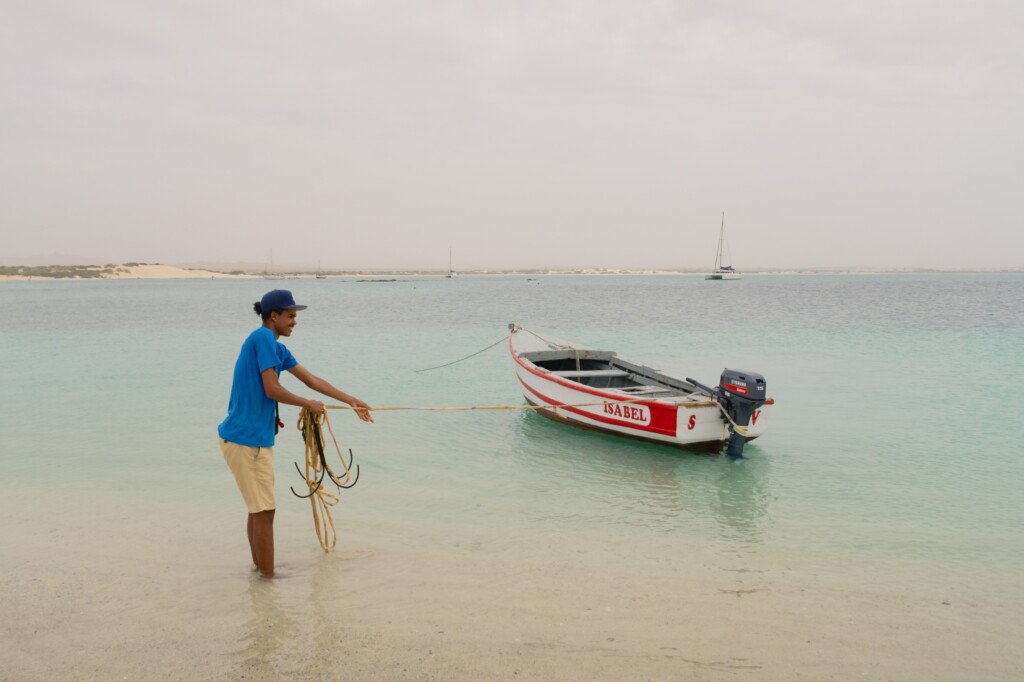
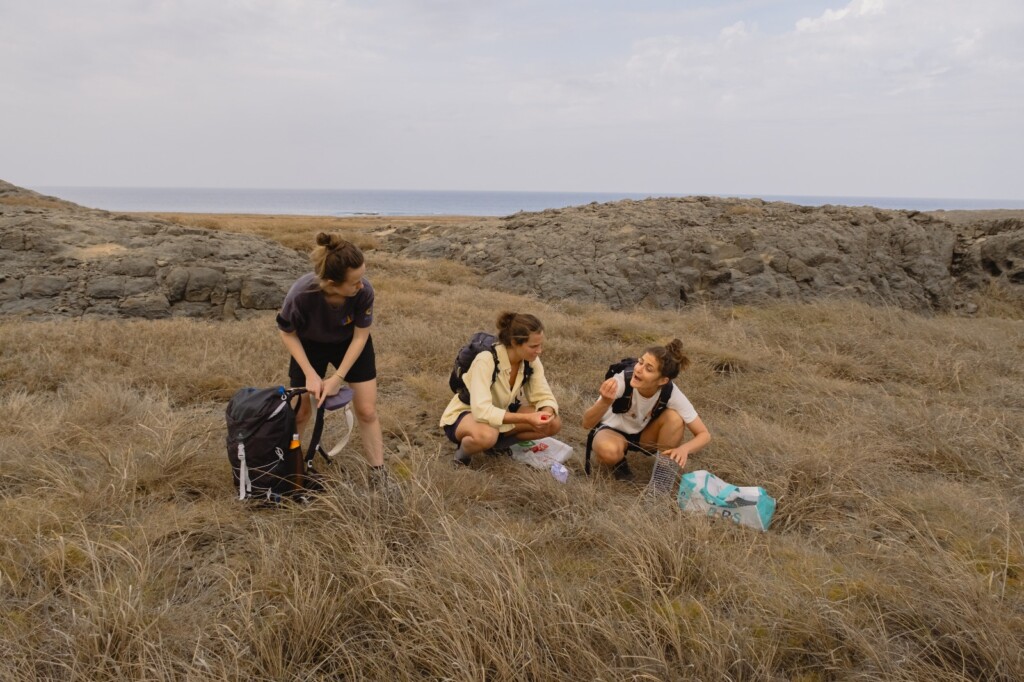
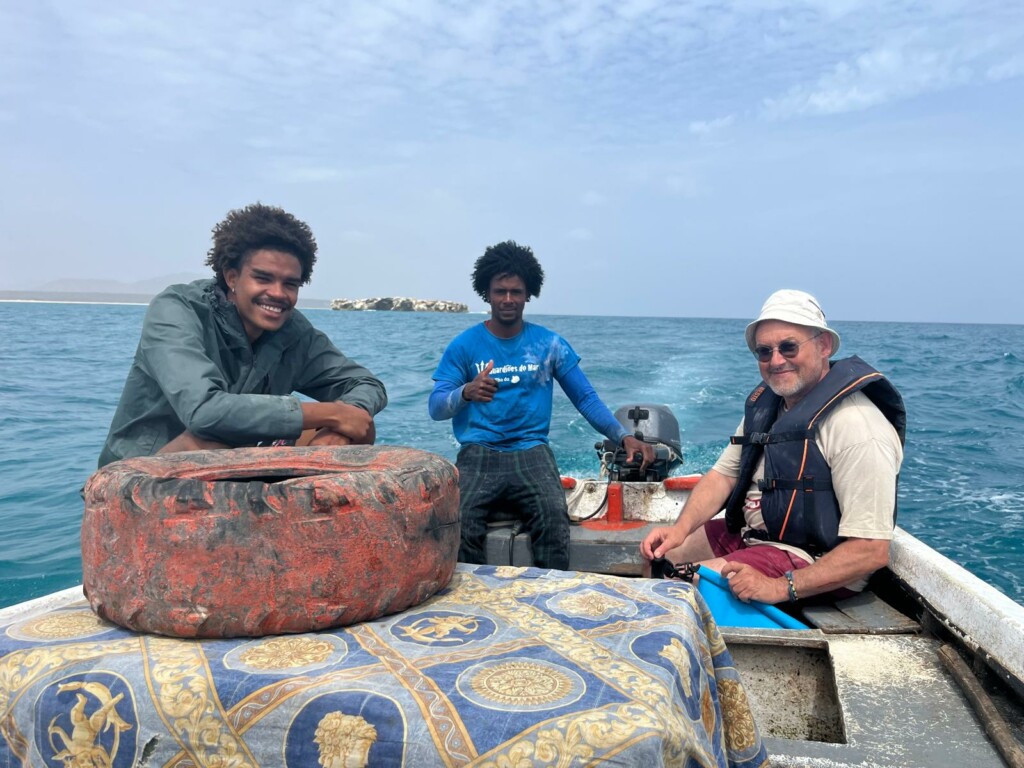
A baseline survey of the small satellite islands off Boa Vista brought together a multidisciplinary team comprising members of the PIM team and around ten experts (botanists, herpetologists, mammalogists, ornithologists, etc.), with the support of local partners from the Bios.CV association. Surveys were carried out on the islets of Sal Rei, Passaros, Baluarte and Curral Velho, enabling species lists for flora and herpetofauna to be compiled, habitats to be mapped and data on entomofauna to be collected. Several CAIPIM protocols were also launched: a visual survey of macro-litter in Brown Booby nests on Passaros, the ALeRT protocol at Sal Rei Fort, identification of fish nursery areas around Sal Rei, and a search for introduced mammals. Although no rodents were captured during trapping, signs of their presence were noted, whilst camera traps revealed a significant presence of cats. The next stages of the project will help clarify the challenges associated with these introduced species and propose management strategies. The mission also provided an opportunity to strengthen local partnerships and raise awareness among pupils at the French school in Sal Rei about the islands’ conservation challenges.
Greece – Didimi (Syros, Cyclades) (april 20-24, 2026)
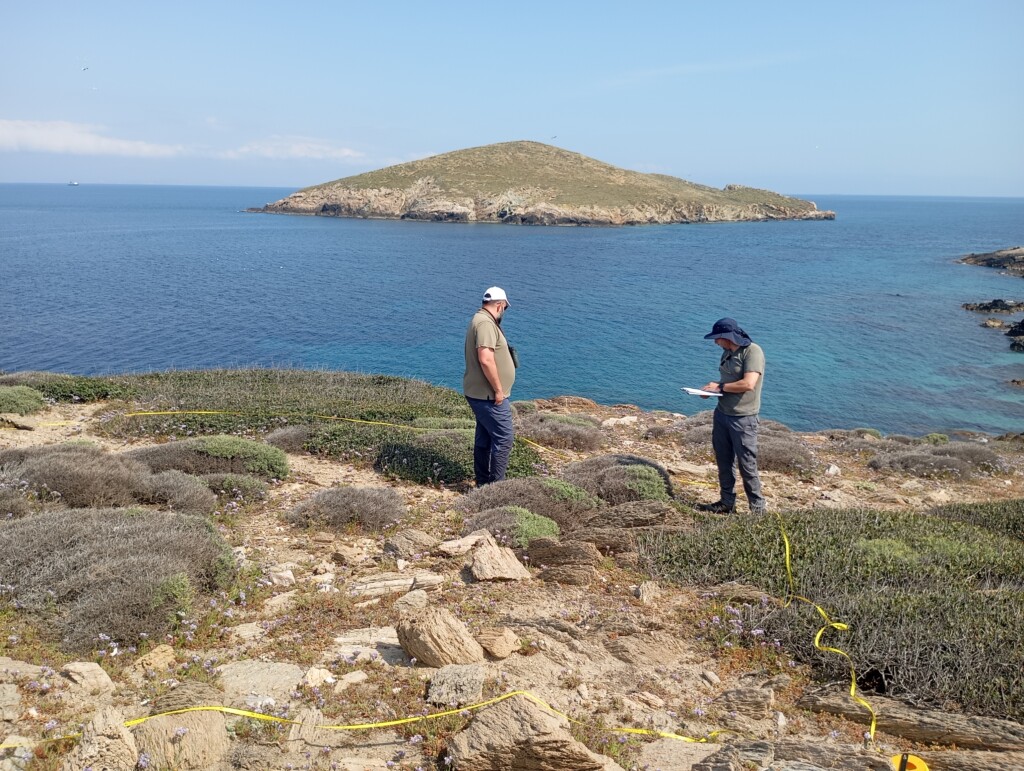
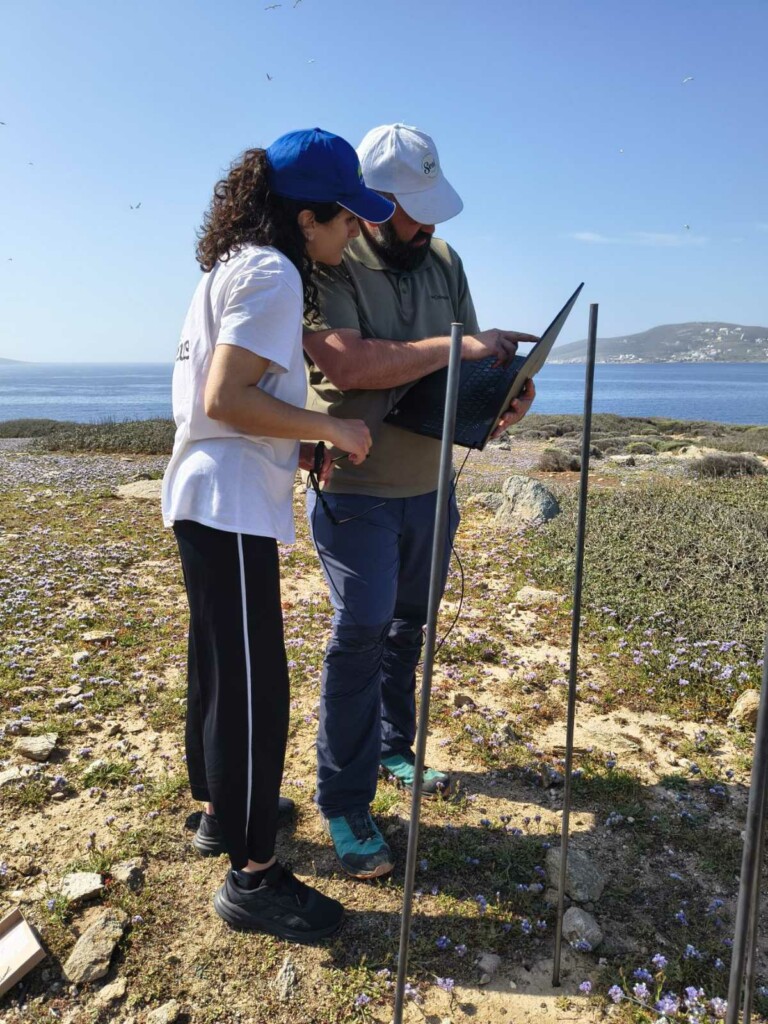
Partners from NECCA (Natural Environment & Climate Change Agency, Greece), who manage the island of Didimi in the Cyclades, visited the site in April to launch the CAIPIM protocols, accompanied by a botanist. The mission enabled the successful installation of microclimate sensors, the collection of waste from Mediterranean gull nests, the inventorying of cultural heritage, the implementation of the AleRT protocol, the identification of invasive alien species, and the mapping of terrestrial habitats. The launch of the CARE monitoring programme for post-larval fish also enabled the collection of initial data.
Morocco – Archipel d’Essaouira (april 25-30, 2026)
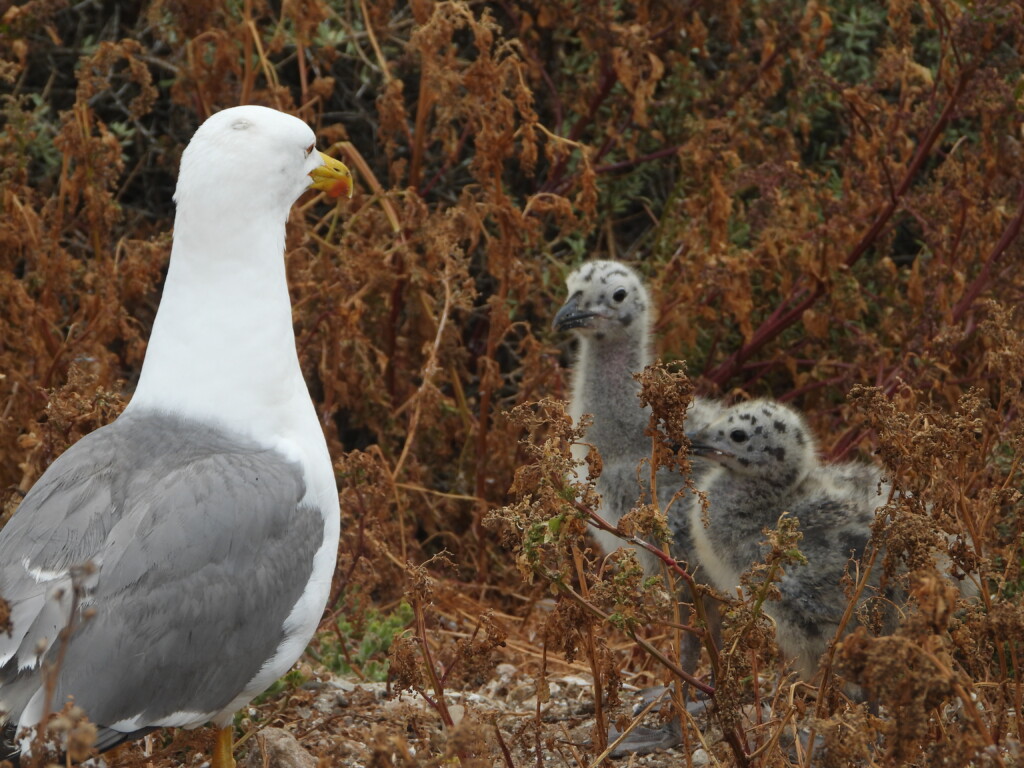
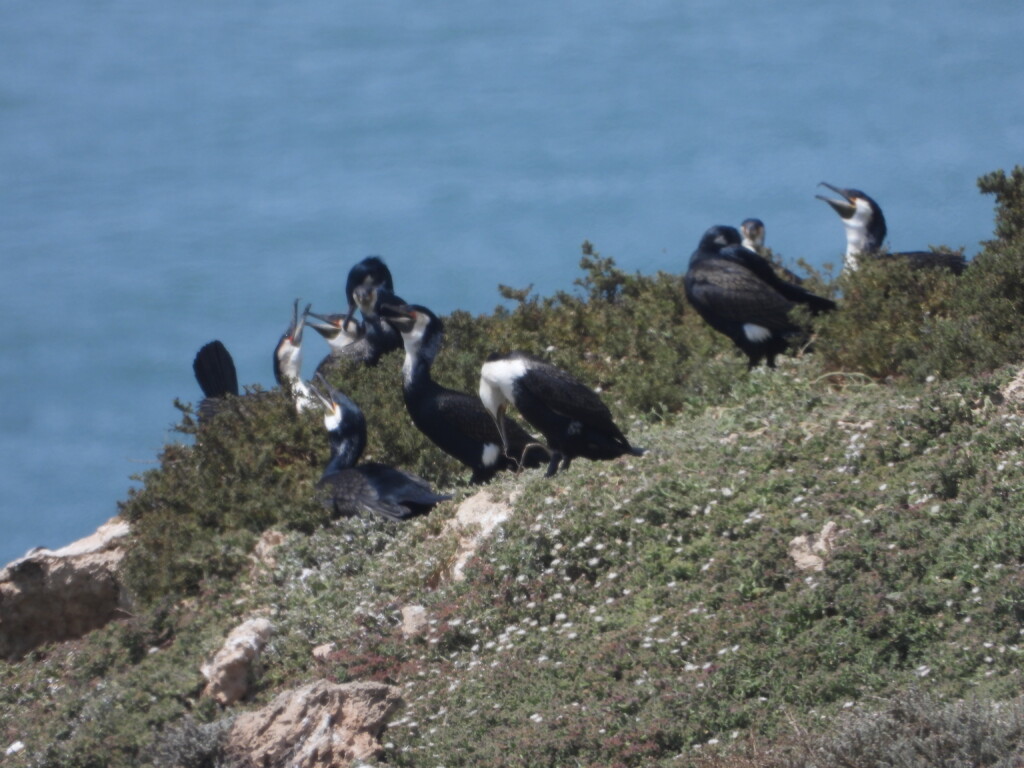
Together with Morocco’s National Water and Forestry Agency (ANEF) and the Conservatoire du littoral, the scientific partners and site managers of the Essaouira pilot site visited the archipelago in May. Three objectives guided this mission to the site, which is home to the world’s largest colony of Eleonora’s falcons: to assess the impact of rabbits and confirm the absence of other introduced mammals that might compromise nesting, to survey the yellow-legged gull, whose growing numbers are an indicator of waste management on the mainland, as well as to survey the population of the Moroccan Great Cormorant (a Moroccan endemic subspecies), and finally to implement the CAIPIM terrestrial protocols at this sentinel site. This mission also led to the signing of a cooperation agreement between PIM, the Conservatoire du littoral, ANEF and the Initiative Bleue Maroc association.
Spain – Aire island (Menorca, Balearic Islands) (mai 10-13, 2026)
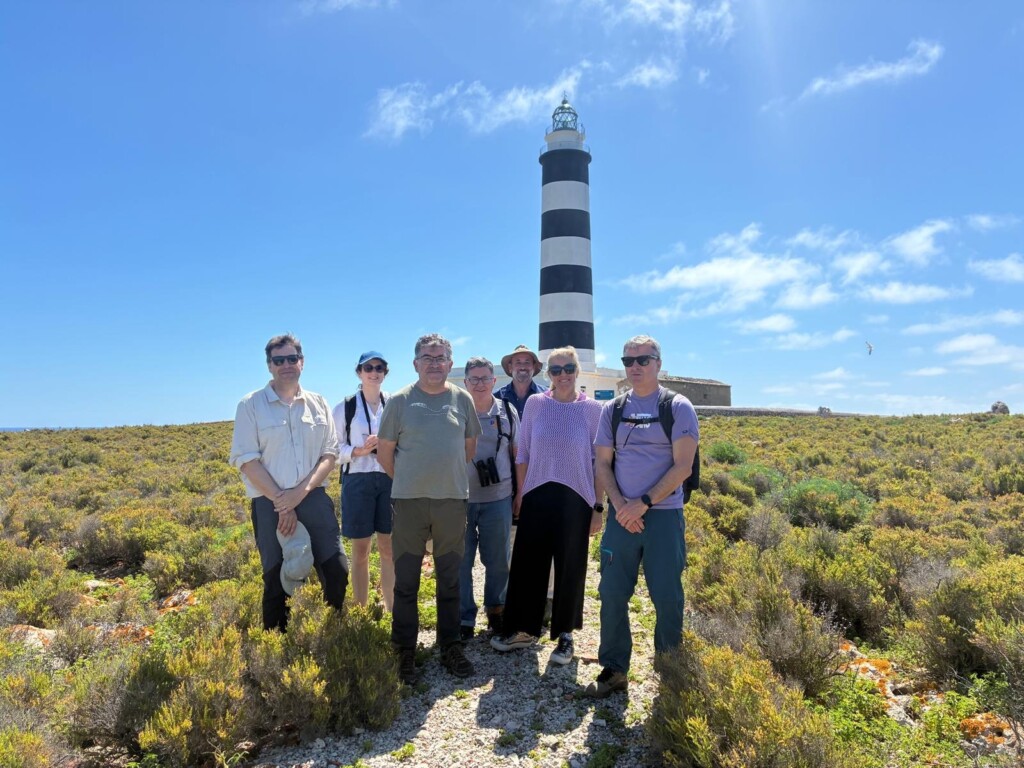
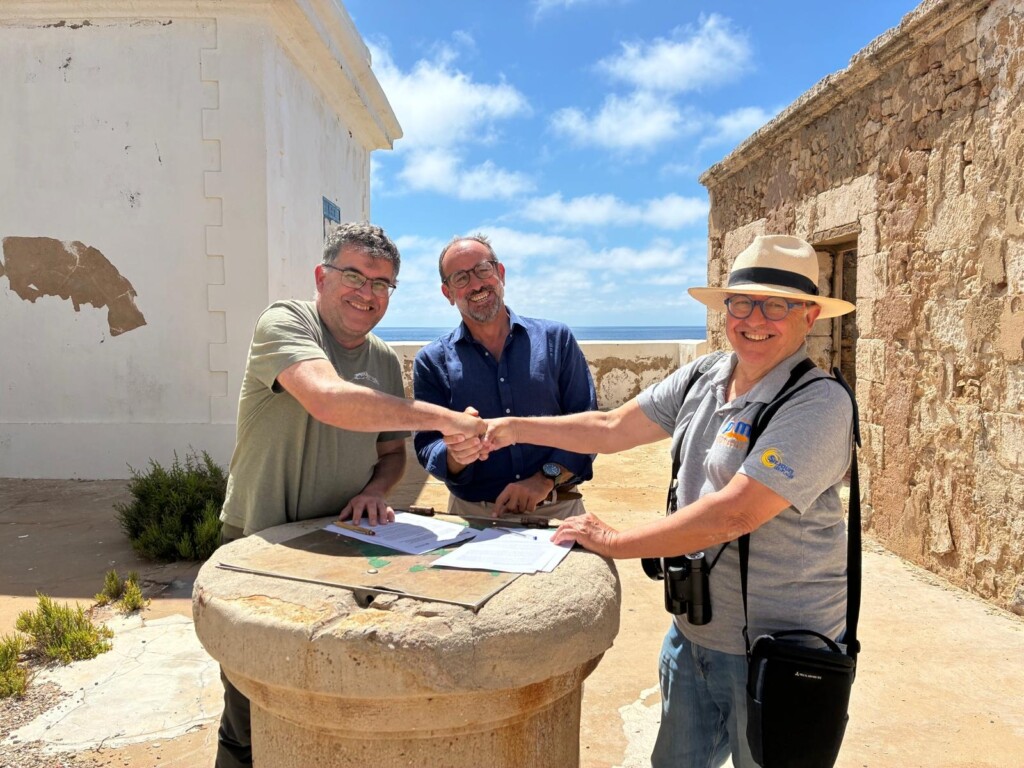
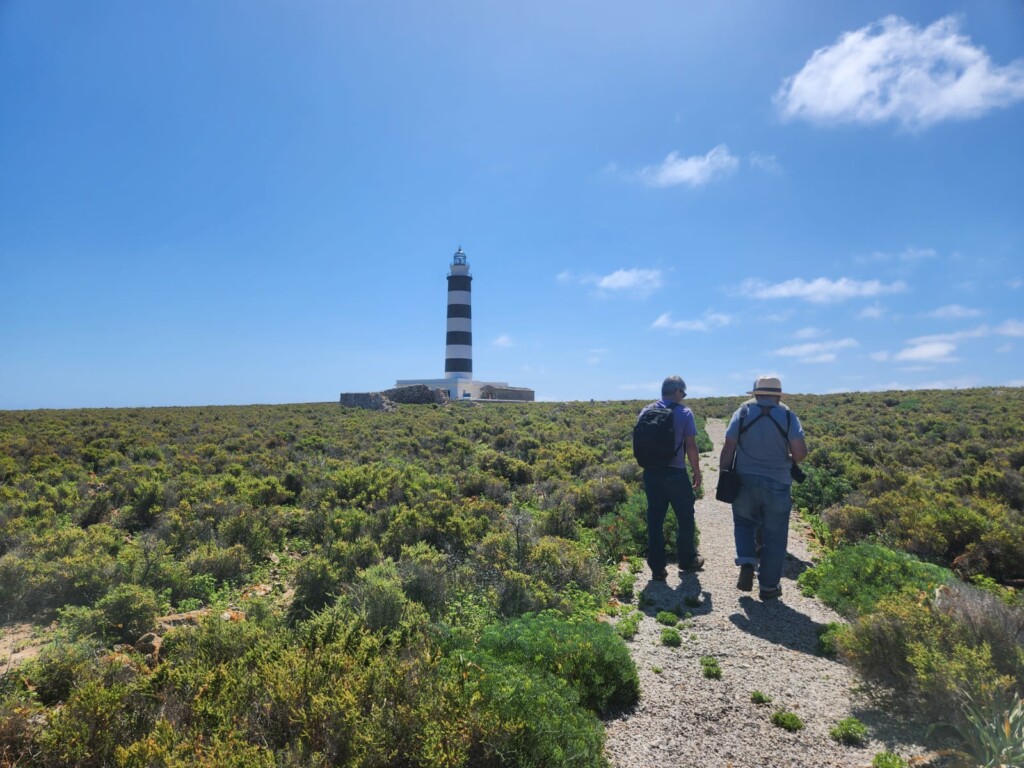
PIM Initiative and the Conservatoire du littoral carried out a joint monitoring mission at the pilot site on the Aire island, which led, in particular, to the signing of a cooperation agreement with the Conselleria d’Agricultura, Pesca i Medi Natural of the Balearic Islands Government. The visit to the island provided an opportunity to discuss with all local stakeholders – OBSAM (Observatori Socioambiental de Menorca), SOM, Menorca Biosphere Reserve, Menorca Preservation Foundation – regarding the management and restoration actions to be undertaken: visitor management, installation of artificial nests for Yelkouan and Balearic shearwaters, biosecurity, and the control of invasive species. The CARE protocol for monitoring fish post-larvae is already being rolled out by OBSAM.
Montenegro – Katič and Stari Ulcinj (may 11-15, 2026)
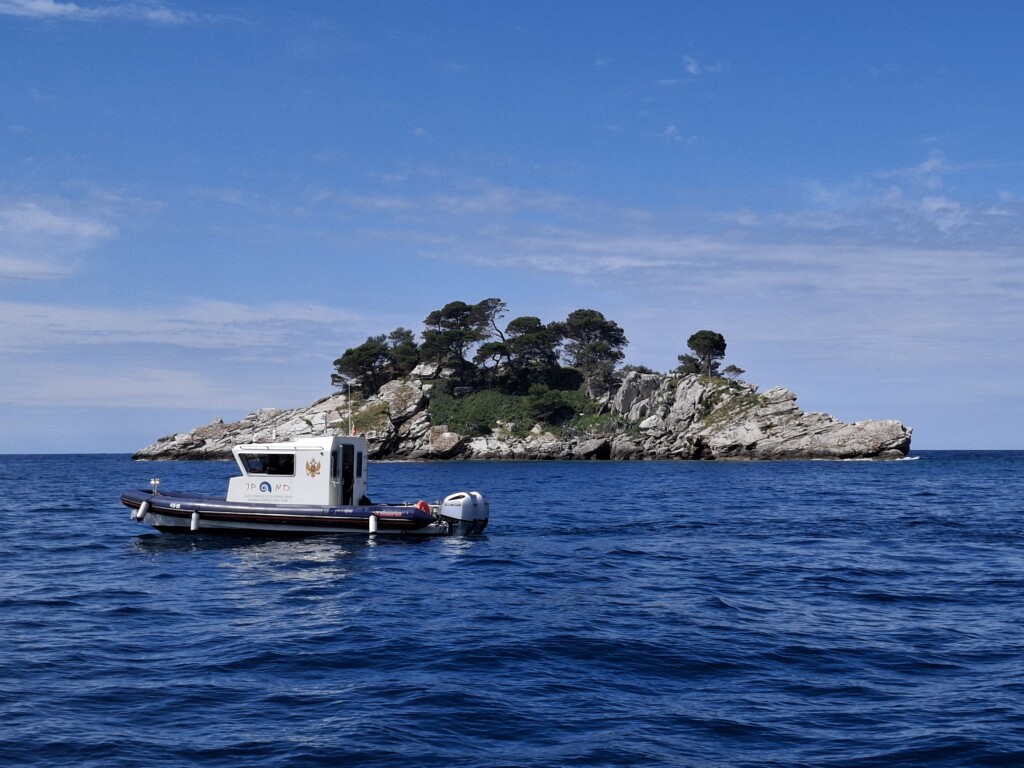
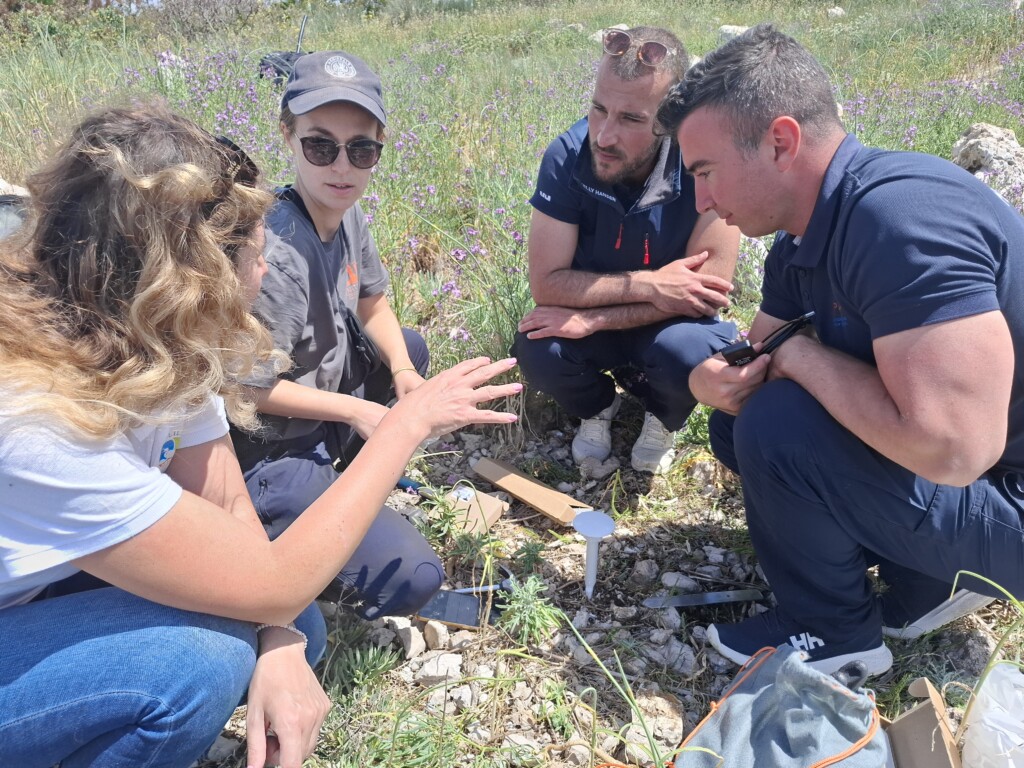
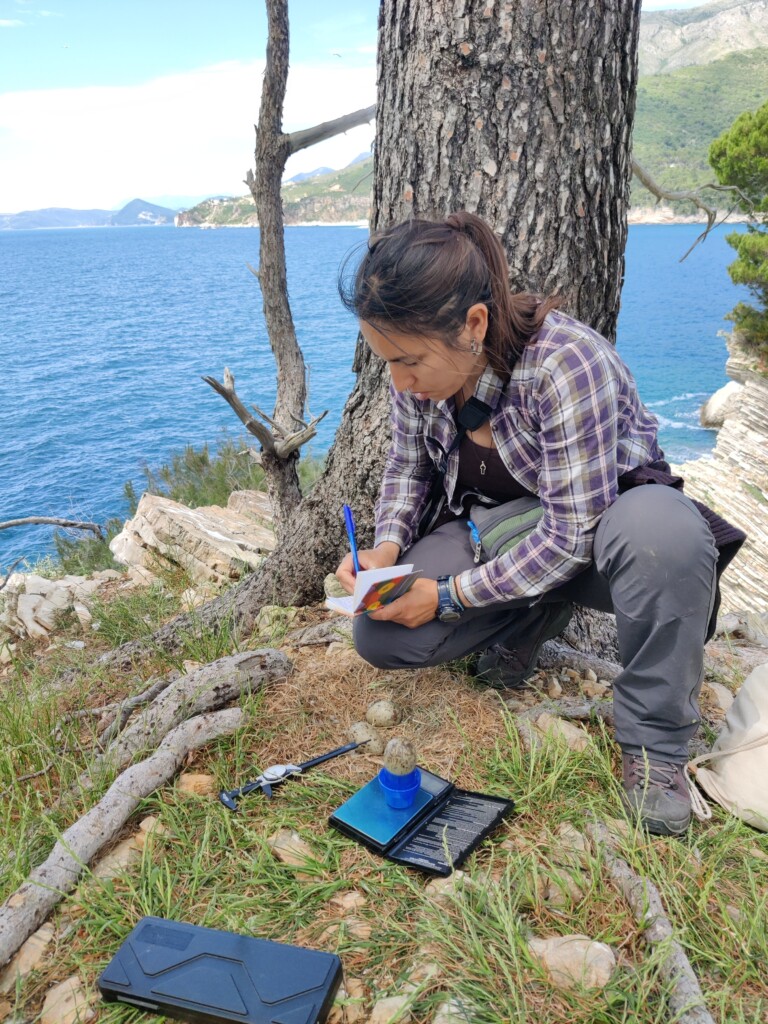
A joint baseline survey mission involving PIM, the Conservatoire du littoral, local partners from the Public Enterprise for Coastal Zone Management of Montenegro (PECZM) and a team of experts was organised in May. This mission enabled an inventory to be compiled of the pilot islets of Katič, Sveta Nedelja and Stari Ulcinj and supplemented existing knowledge on terrestrial biodiversity: birdlife, flora, invertebrates, herpetofauna and introduced mammals. The CAIPIM protocols on microclimatology, the survey of waste in seagull nests and the AleRT assessment of the vulnerability of built heritage were also implemented with PECZM rangers.
Tunisia – Kuriat, Galite, and Zembra
In Tunisia, work continued following the CAIPIM training in Monastir. Partners traveled to the Kuriat Islands to conduct flora and fauna surveys in May and an assessment of invasive species scheduled for June. On Zembra, several projects were also launched, starting with the installation of microclimatic sensors.
France – Corsica (Scandola Reserve – Gargalu) (june 8-11, 2026)
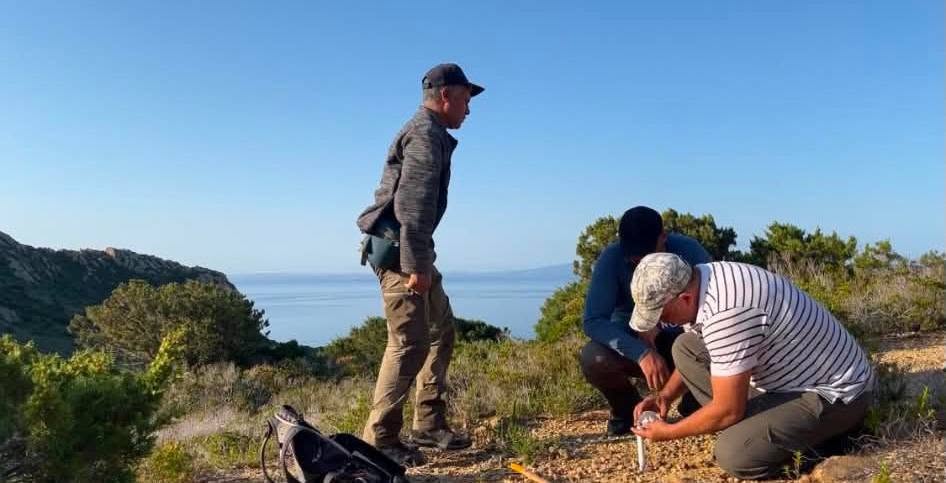
In Corsica, a microclimate sensor as part of the CAIPIM project was installed on the islet of Gargalu, in the heart of the Scandola Nature Reserve, by staff from the Corsica Regional Nature Park in March. Several missions carried out by PIM Initiative in early May and early June enabled the sensor to be checked, further research into the island’s biodiversity to be conducted, and other CAIPIM protocols to be implemented.
France – Grand Rouveau (Var)
On Grand Rouveau, an island co-managed by PIM Initiative, terrestrial monitoring programmes have been gradually rolled out since 2025, alongside the CARE protocol for fish post-larvae in May 2026, marking the practical launch of monitoring activities at this French pilot site.
These initial missions demonstrate the full commitment of the CAIPIM community. The field season is in full swing and further missions are planned for the coming months. Ultimately, the coordinated roll-out of these standardised protocols, replicated across the 10 islands currently involved, will enable us to consolidate our understanding of the impacts of global change on the natural and cultural heritage found within these precious ecosystems.
To find out more about the project, its partners and its financial backers, please visit the dedicated webpage.