Check out the completed projects of PIM Initiative:
COGITO
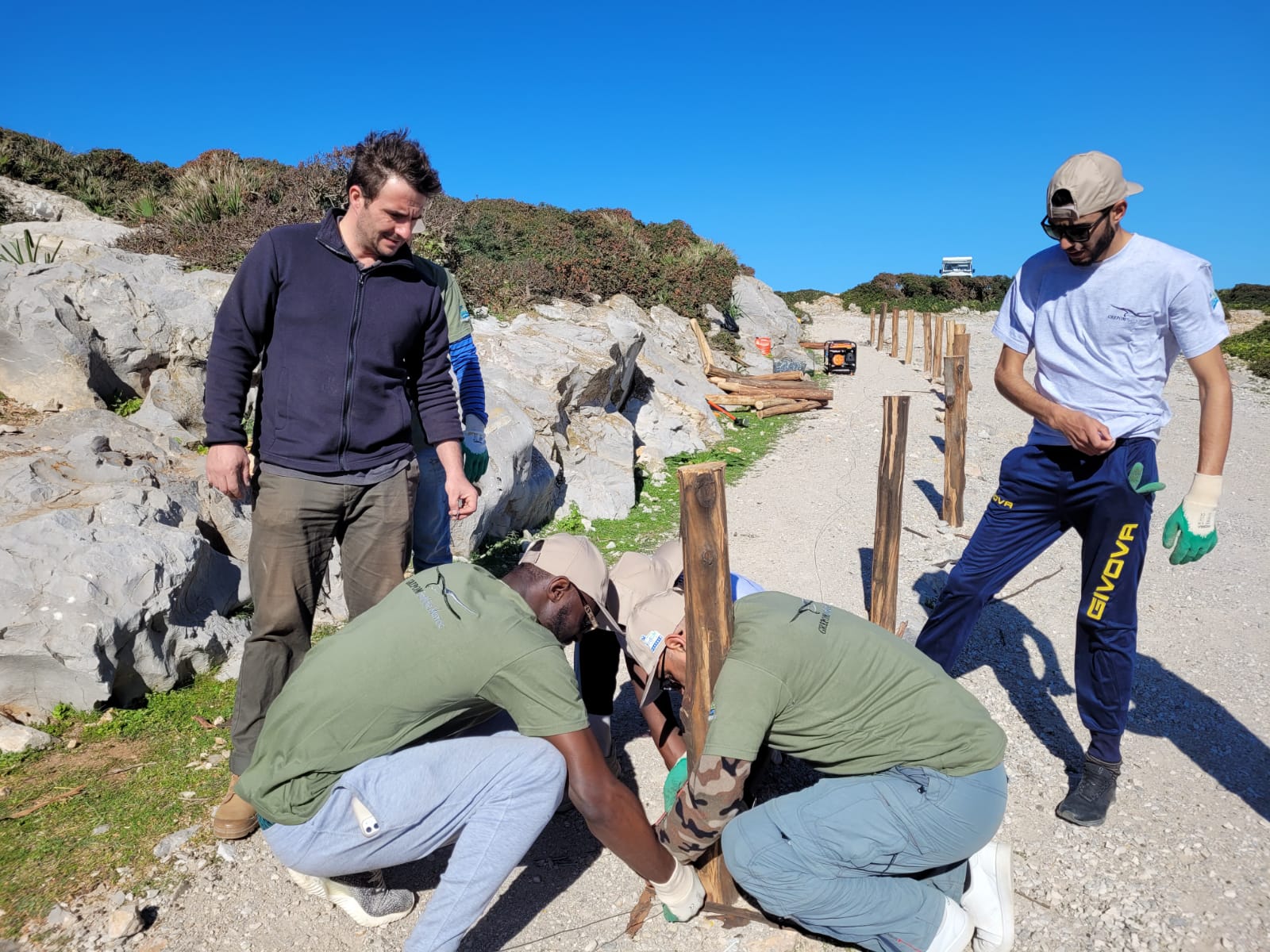
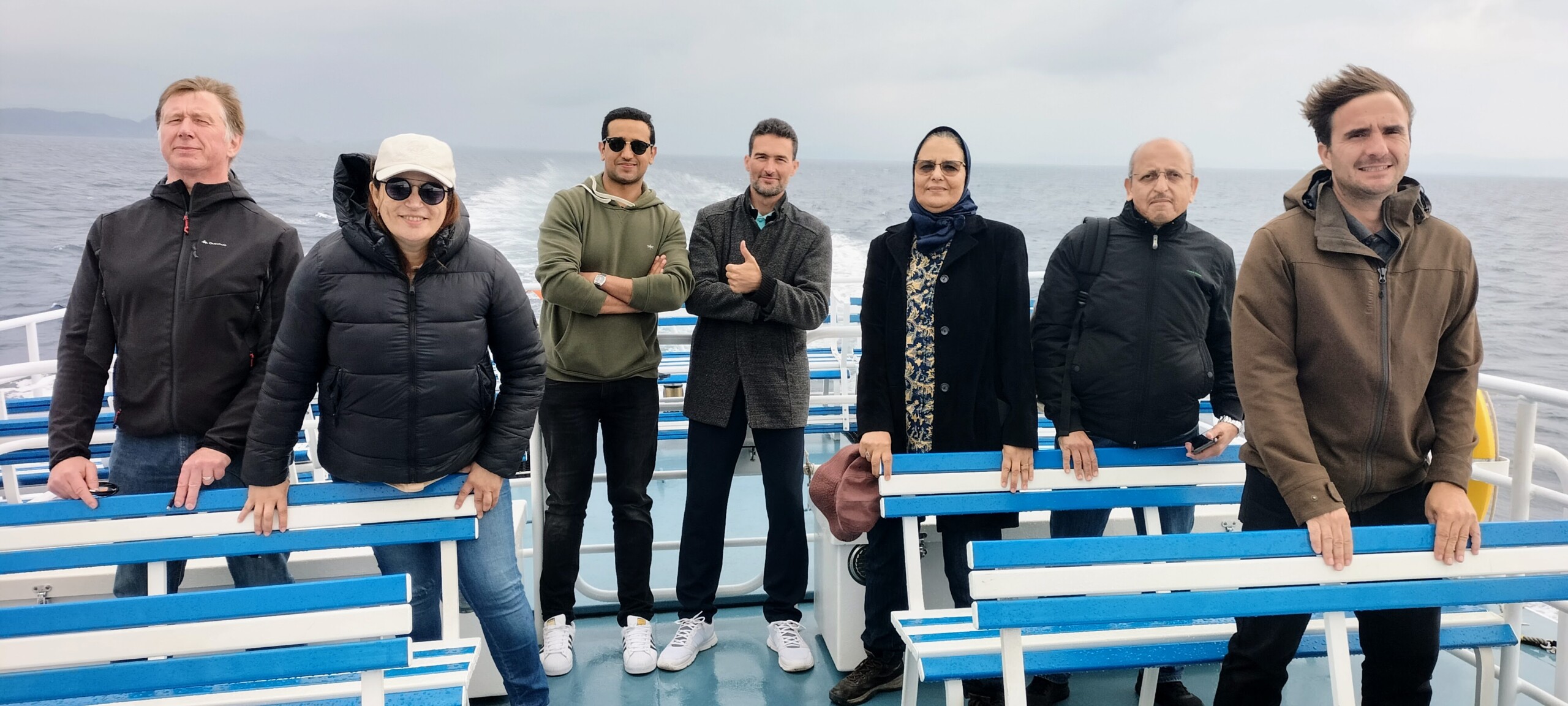
The COGITO Project, “Strengthening the Integrated and Sustainable Management of Coastal, Island, and Marine Areas and Marine Protected Areas (MPAs) in the Mediterranean,” was jointly led by the PIM Initiative, the Conservatoire du littoral, MedPAN, and WWF-Mediterranean. It supported the association’s activities at about ten pilot sites in Tunisia, Morocco, Algeria, and Albania, and facilitated regional initiatives (training and hands-on workshops, strategic meetings and advocacy, communication, and events). The project’s ultimate goal was to contribute to supporting and consolidating co-management processes among government agencies, the association, and research centers. Through this project, the PIM network supported a large number of managers of island sites with diverse configurations and enriched its own approach through this feedback from the field. If a site required specific financial or technical support, the association intensified its efforts by developing a tailored project to benefit the stakeholders involved.
Know more about Cogito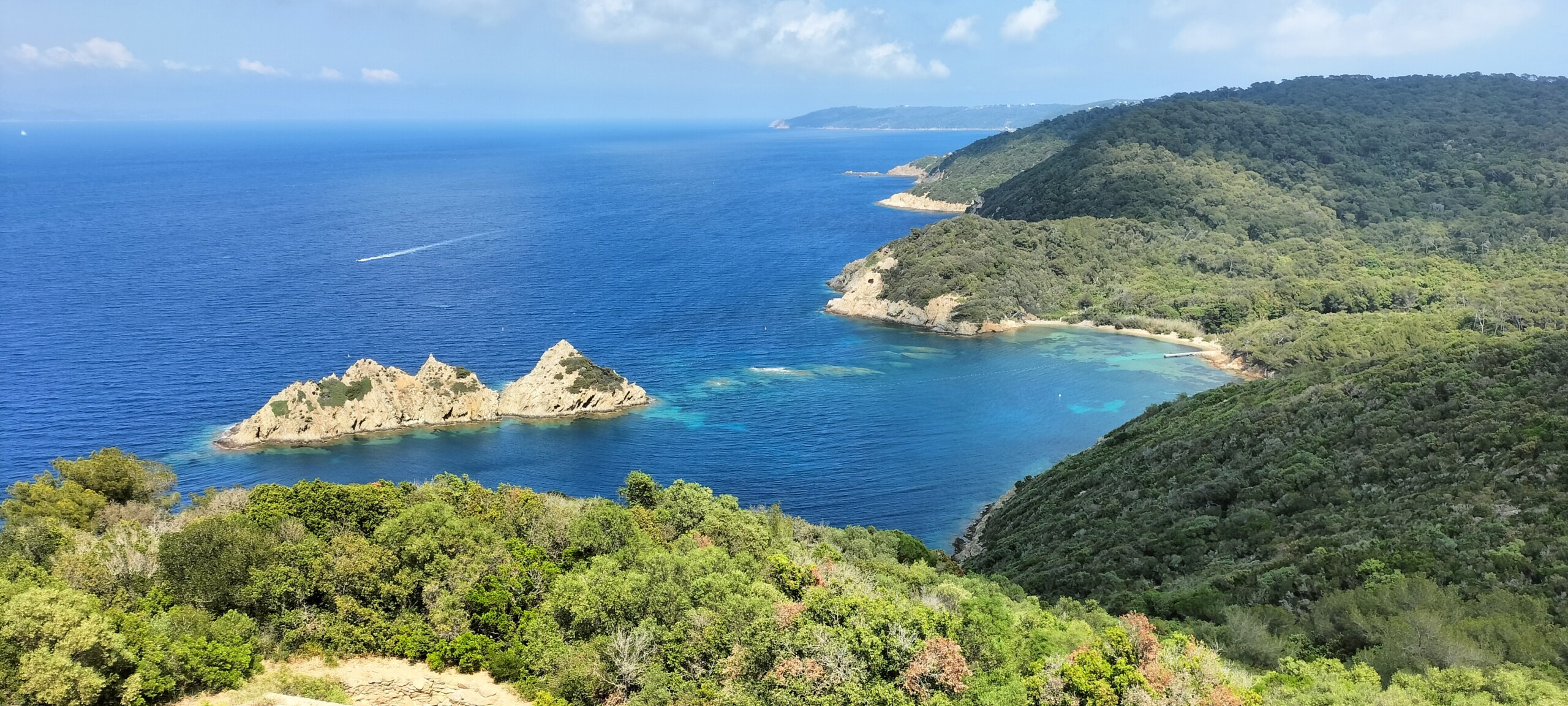
MEDISWET
Wetlands on the Mediterranean islands are of unique importance for flora and fauna species and also provide precious services to human beings. Raising awareness about their values through the implementation of effective actions such as inventories and policy activities is needed to help protect them. Coordinated by WWF Greece, the MedIsWet project efficiently promotes and contributes to the full implementation of Ramsar Resolution XII.14 on “Conservation of Mediterranean Basin island wetlands” and to the achievement of the Ramsar Convention’s and MedWet’s objectives. As part of this project, PIM Initiative helped draft an advocacy guide for the conservation of island wetlands at both the international and French levels.
Download the international guide Download the french guideROMPOM
Through the Mediterranean Small Islands Managers Network (PIM Initiative), the ROMPOM network (Mediterranean Observation Network of Pollutants by Marine Birds) has been set up on different pilot sites in the western Mediterranean to assess marine pollution levels by analyzing biosamples of pelagic and coastal seabirds breeding on different Mediterranean island sites. The longer term objective is the creation of an observatory on a Mediterranean scale allowing the analysis of the latter between sub-basins. Different protocols are set up : the first targets heavy metals through the collection and analysis of feathers from chicks of pelagic and coastal breeding species of the small Mediterranean islands and the second one aims to assess contaminant levels in unfertilized eggs of Shearwater and Osprey.
Know more about the ROMPOM project Discover the project brochureTerra Cognita
Since its inception, PIM Initiative has been working to improve knowledge about the little-known or overlooked islands and islets of the Mediterranean Basin. More than 200 support missions and expert assessments have been organized since 2009, thanks to the involvement of more than a hundred Mediterranean experts, enabling the compilation and utilization of naturalist data. In particular, some 60 naturalist reports and mission reports have been produced and disseminated through PIM missions, contributing to the creation of a body of gray literature made available to all stakeholders in Mediterranean conservation. This drive to acquire knowledge is part of a strategy to develop new partnerships in the eastern Mediterranean and Macaronesia through exploratory missions covering multiple biological sectors. This commitment to expanding the partnerships and territories included in the PIM Initiative’s scope of action helps strengthen the association’s role as a Mediterranean network of small islands, centralizing knowledge of Mediterranean island ecosystems, particularly in the context of global change. This will also enable, in the future, better-coordinated action across the basin, focusing on shared species or local resources.