
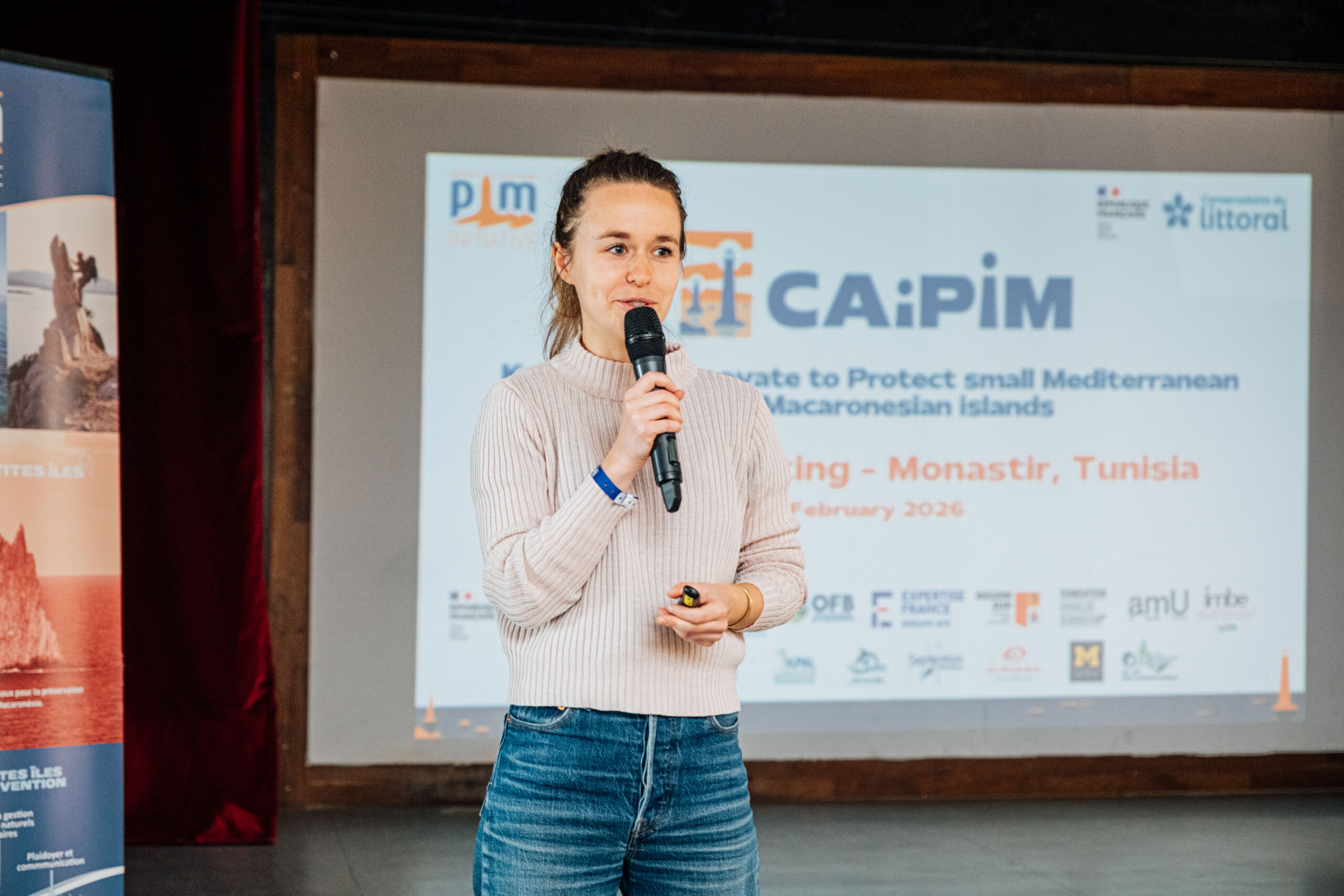
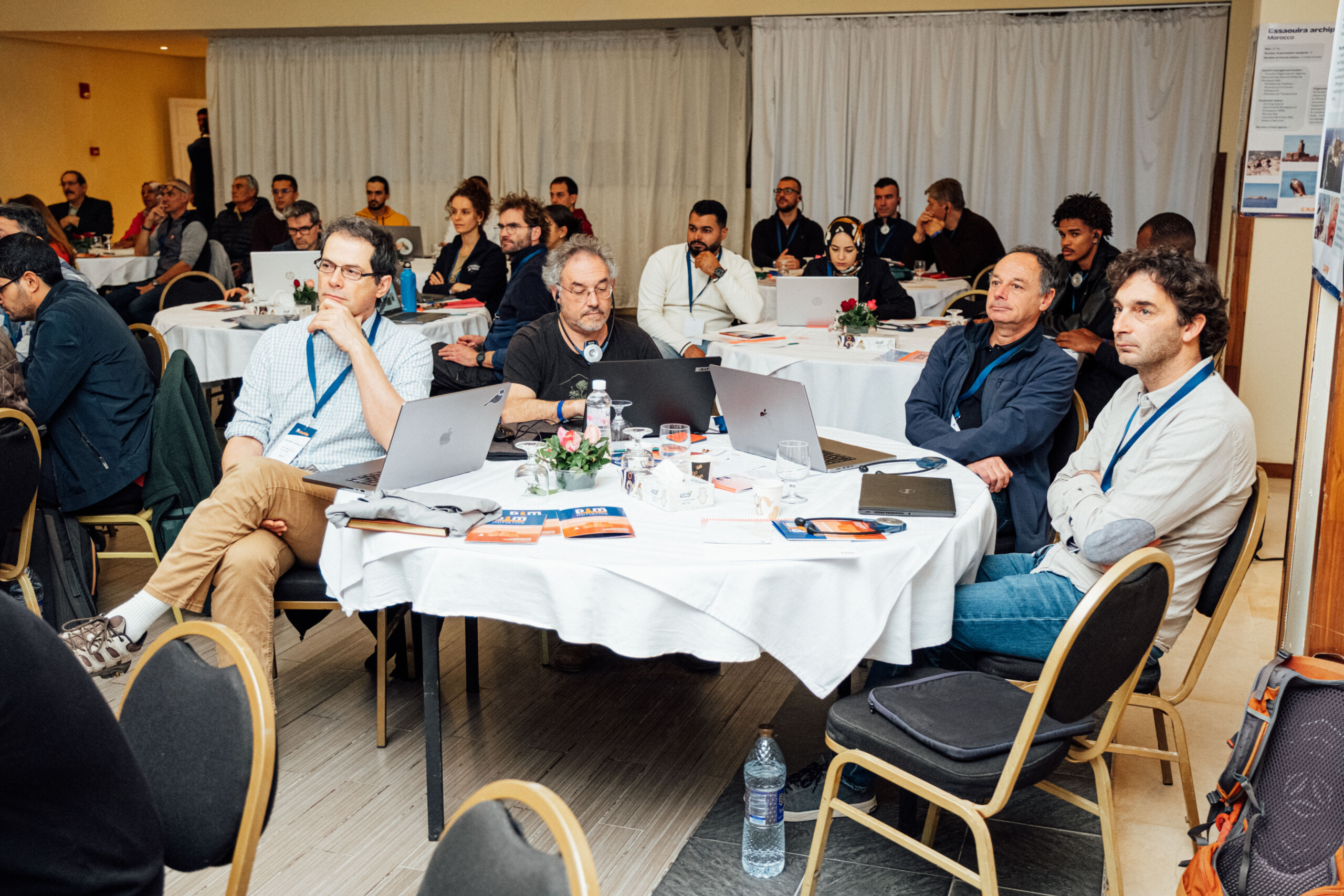
Organized by Initiative PIM and the Conservatoire du littoral, in partnership with CAR-ASP (UNEP/MAP), APAL, and the association Notre Grand Bleu, these meetings brought together for seven days the managers of the CAIPIM pilot sites from the Mediterranean and Macaronesia regions. The event focused on several key objectives: training managers in the range of CAIPIM protocols designed to monitor global changes on small islands in a harmonized manner, collectively reflecting on issues related to assessing the impact of management actions, and strengthening the community of managers and stakeholders involved in small island conservation across the Mediterranean and Macaronesia.
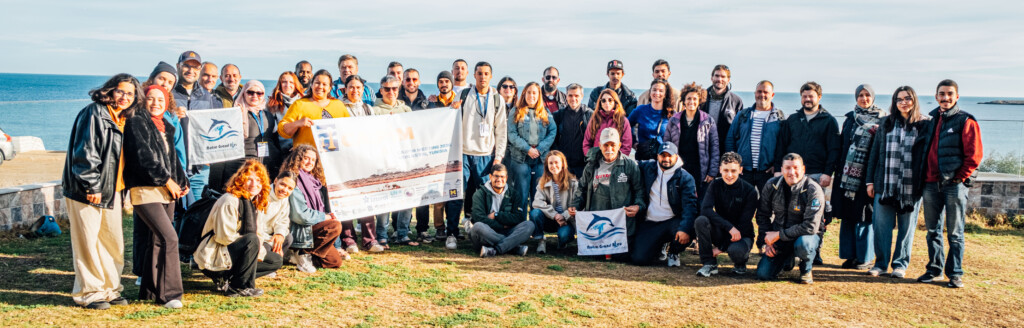
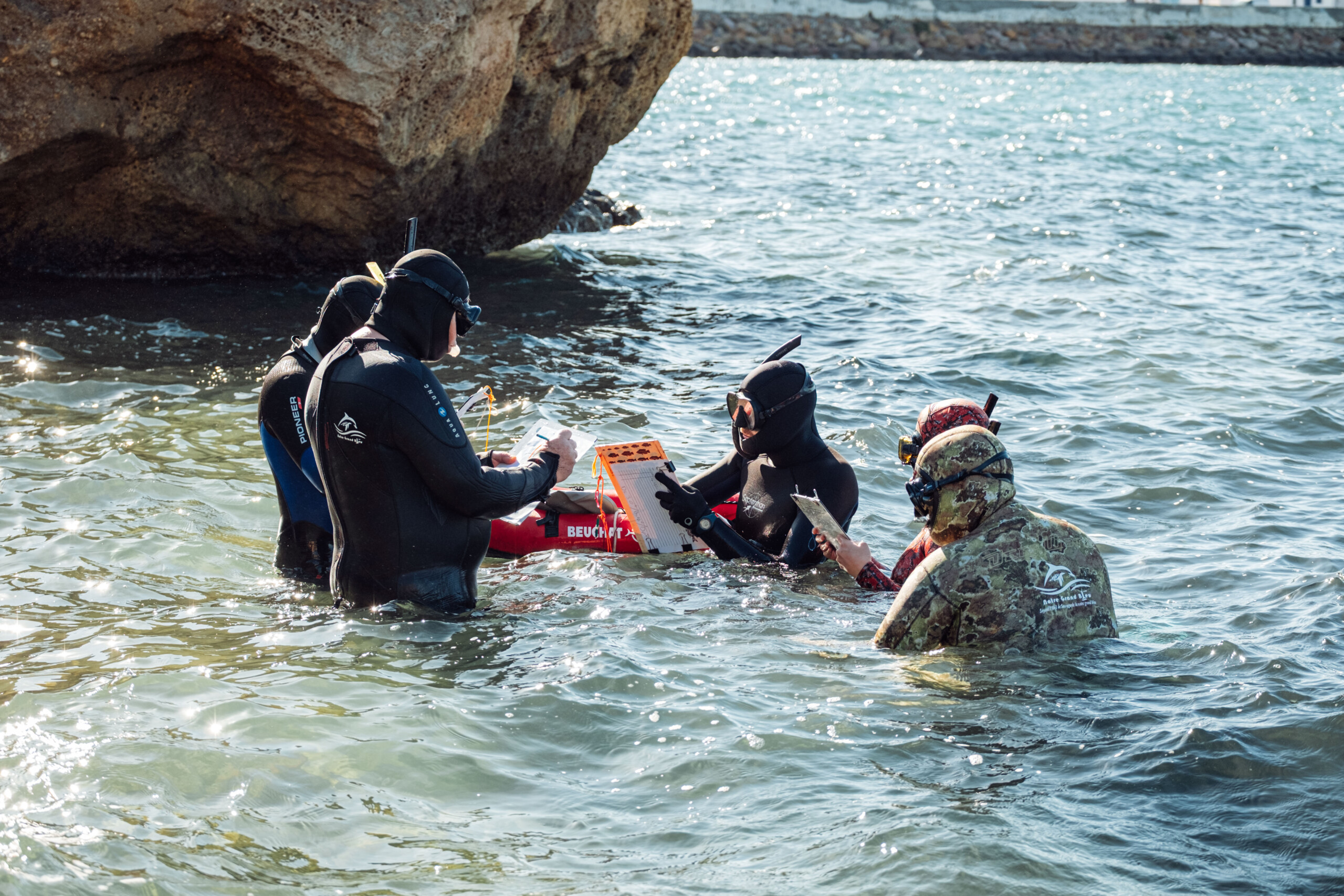
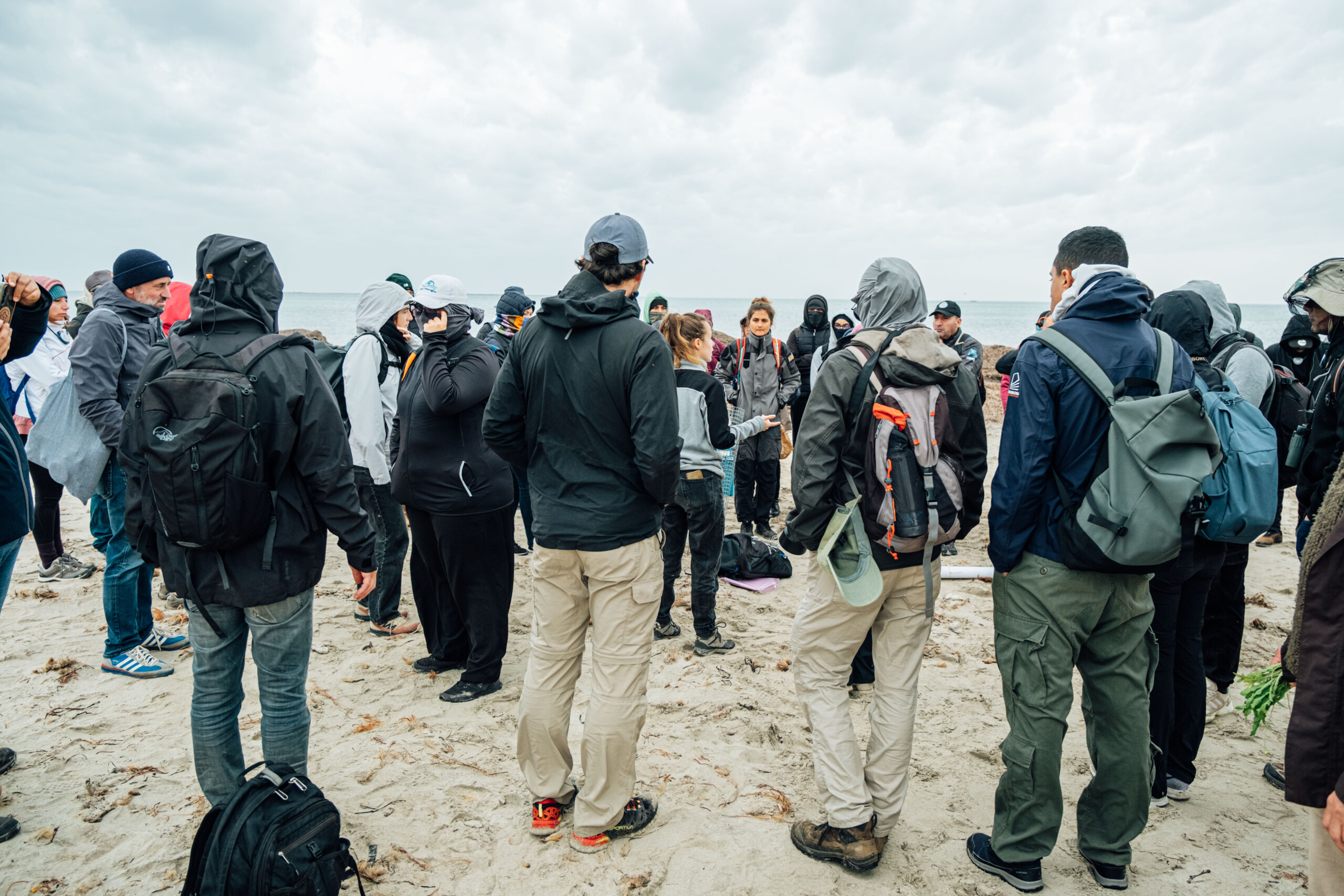
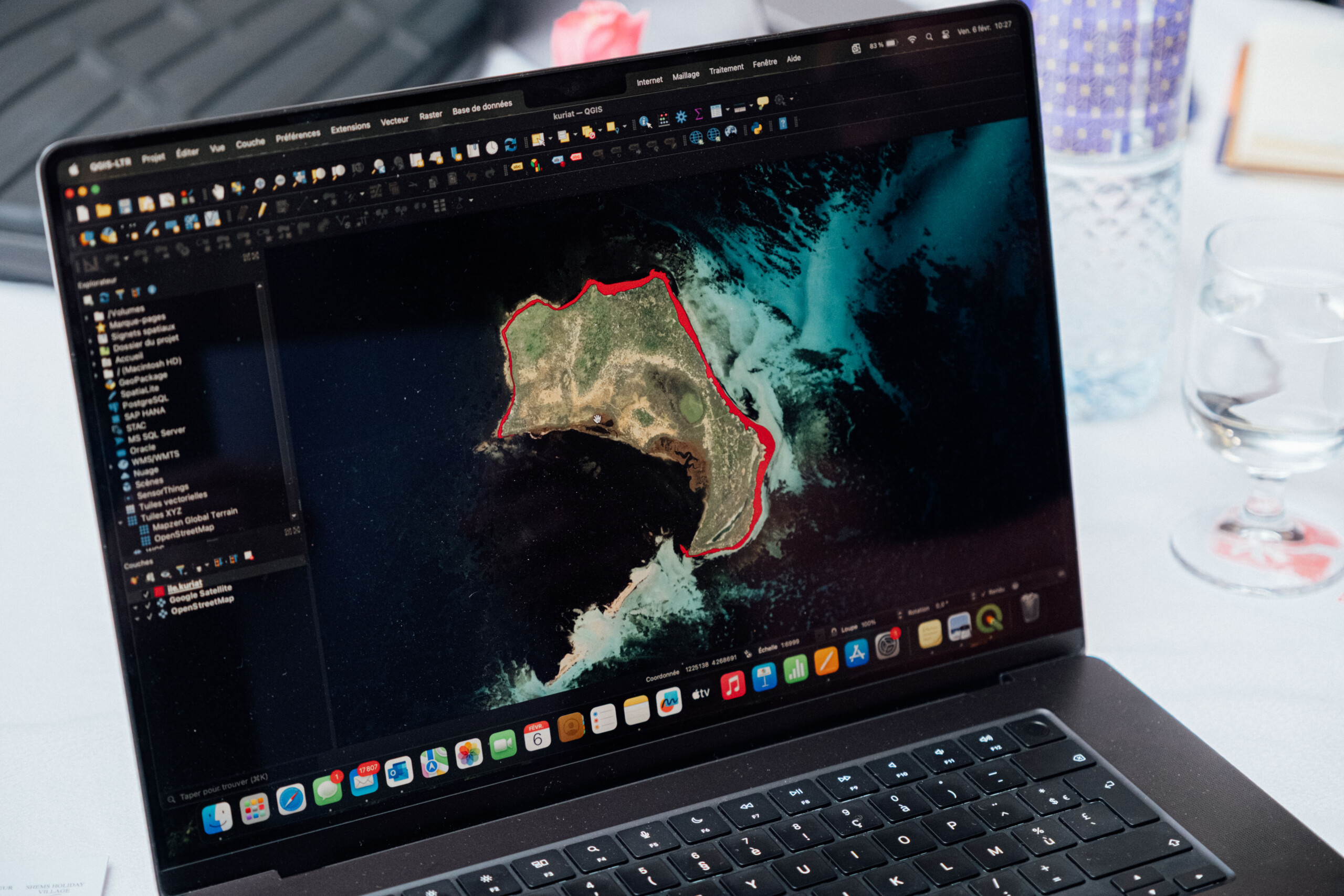
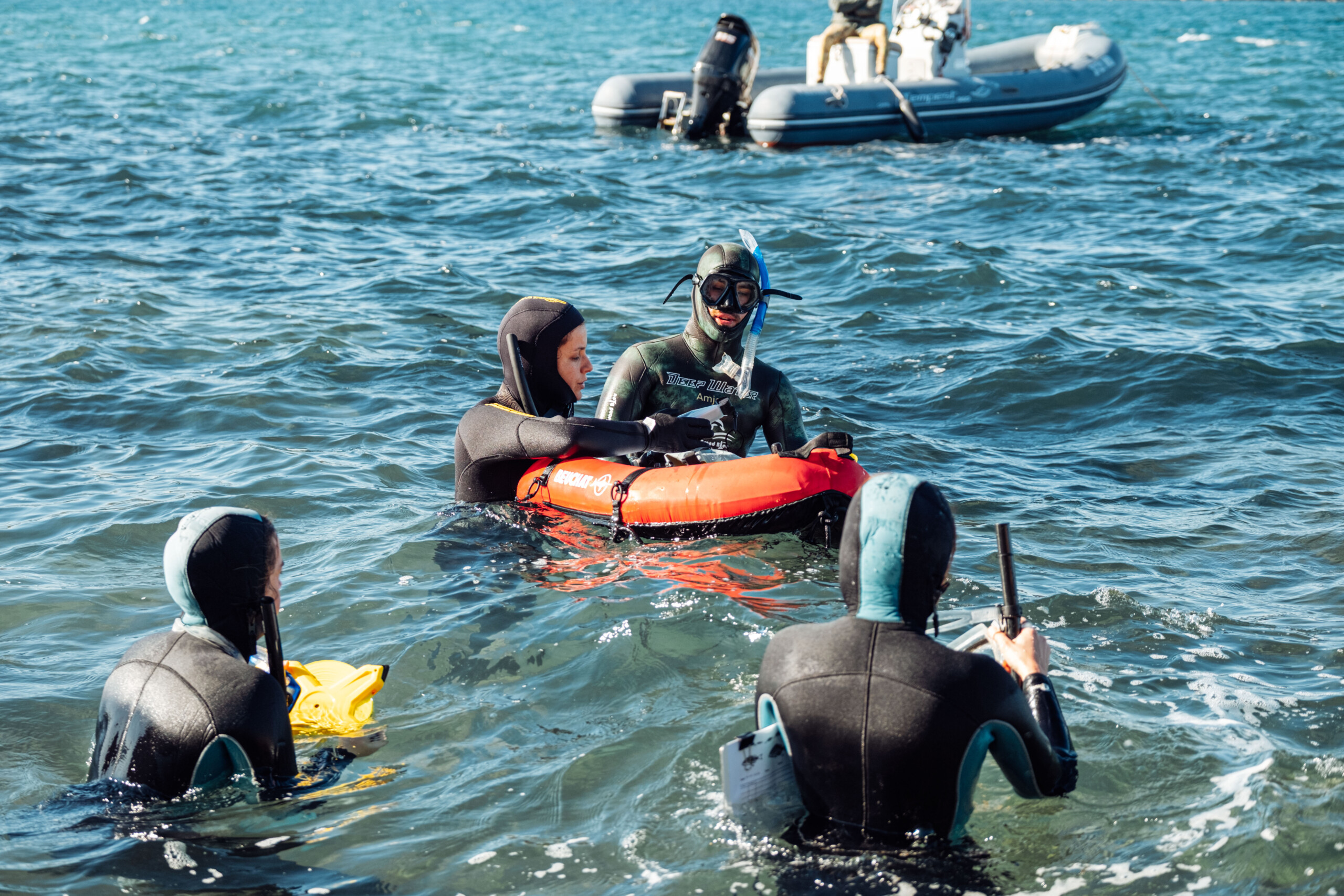
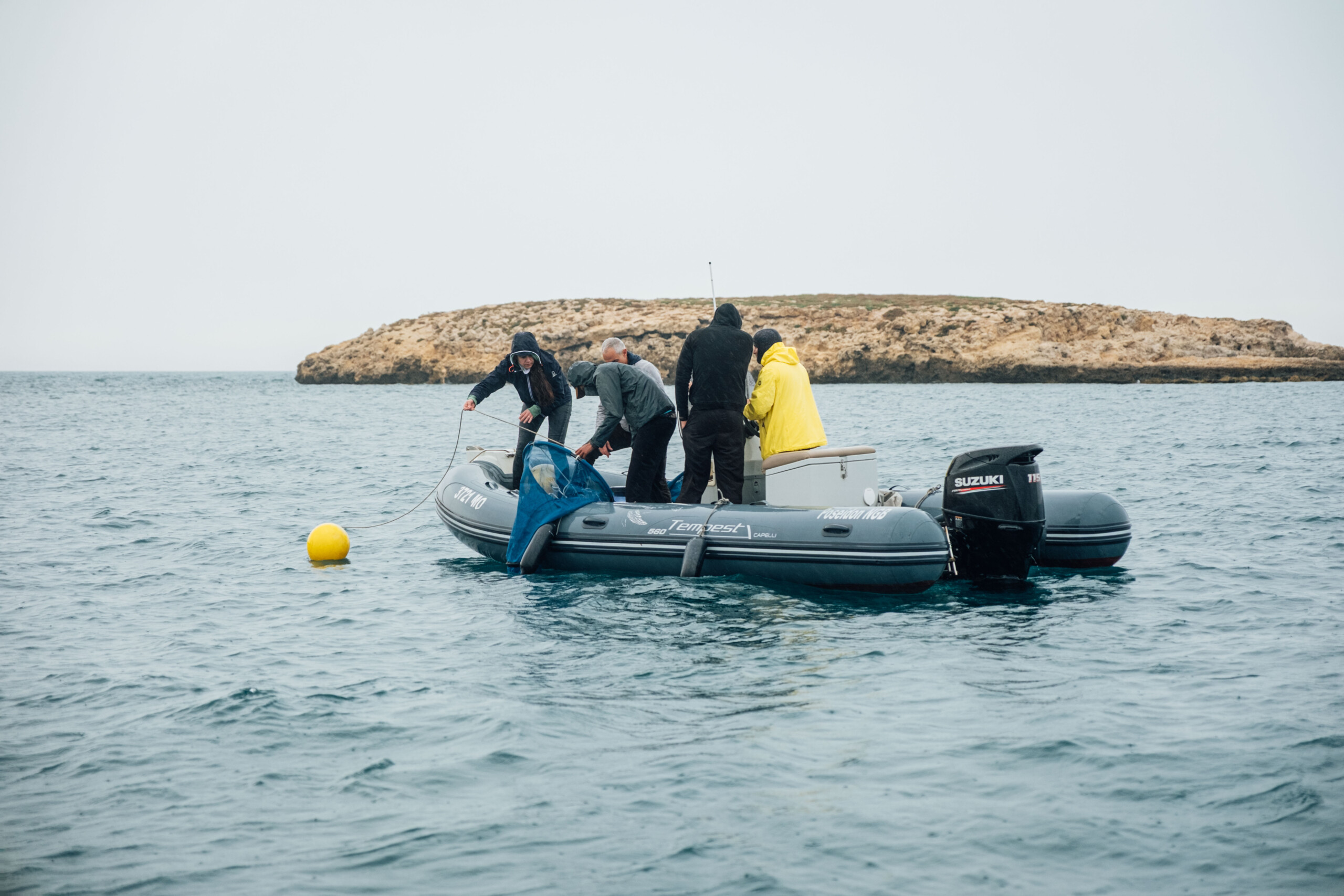
The session was structured in two complementary phases: the theoretical component allowed participants to discover the various scientific protocols, both terrestrial and marine, and to understand their context, objectives, methods, and relevance for assessing and monitoring global changes. Subsequently, field days were dedicated to implementing these protocols, offering hands-on learning directly on site.
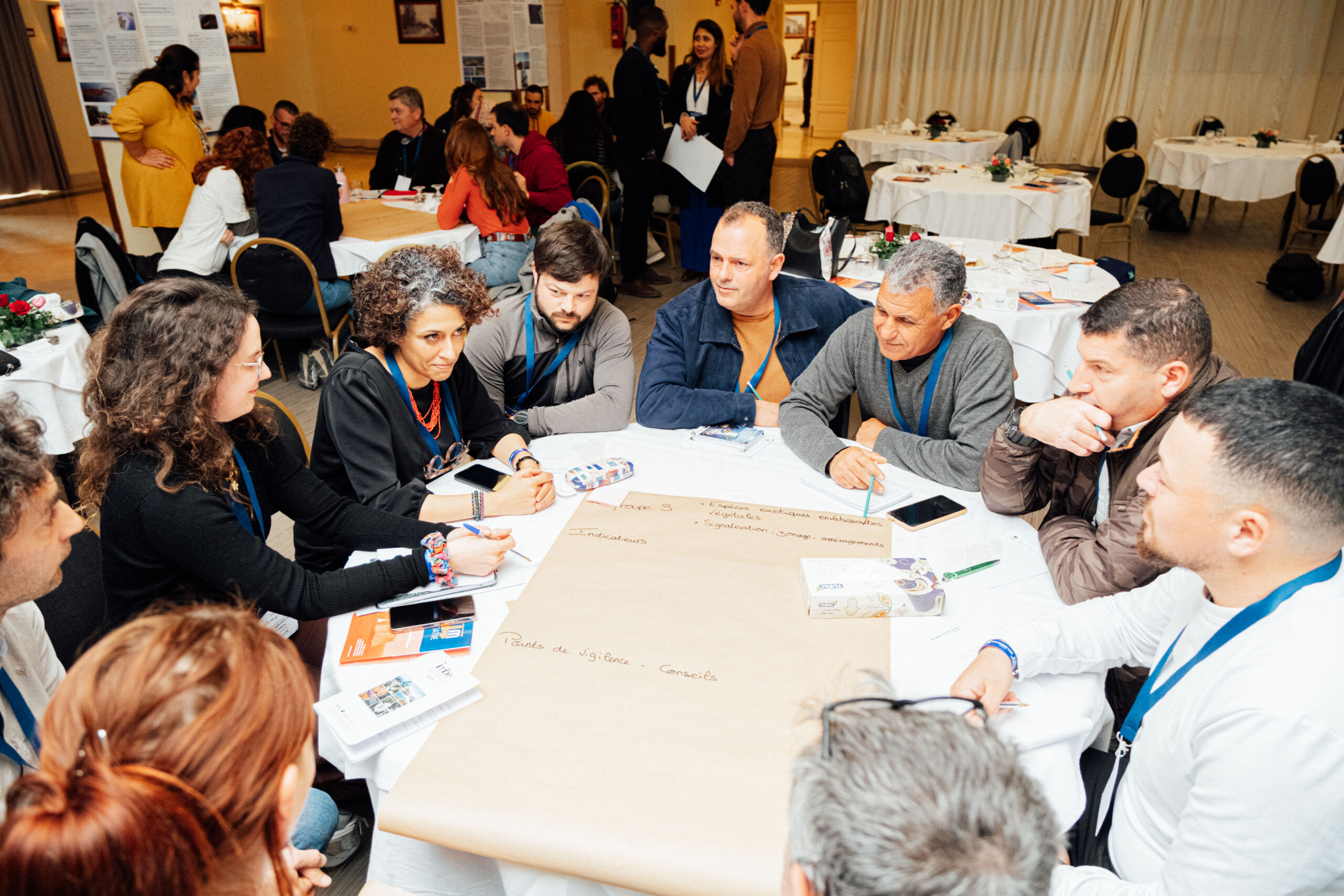
The meeting was also marked by several exchange sessions among managers. Through participatory workshops, each participant had the opportunity to present their site, share feedback, and discuss the impacts of implemented management actions, thereby fostering collective reflection and shared ideas.
In total, more than 50 participants, including managers and trainers from Algeria, Italy, Tunisia, Montenegro, Greece, Morocco, Cape Verde, France, and Spain (Balearic Islands), contributed to making this event a space for synergy, exchange, and shared experiences.
Thank you to all institutional, technical, and financial partners—the French Global Environment Facility, the Rhône-Mediterranean-Corsica Water Agency, the Ministry of Ecological Transition, Expertise France (RENCAPICO project), the French Office for Biodiversity, the François Sommer Foundation, the Mediterranean Institute of Biodiversity and Ecology (AMU-IMBE), Septentrion Environnement (NURSMED project – funded by the Sud Region), and ECOCEAN—for their support and commitment. A special thank you to the expert trainers for their pedagogical approach, availability, and the quality of exchanges throughout the training.
Finally, we extend our deepest gratitude to the association Notre Grand Bleu for their warm welcome in Tunisia and their invaluable assistance in organizing these meetings, which greatly contributed to the success of this event.
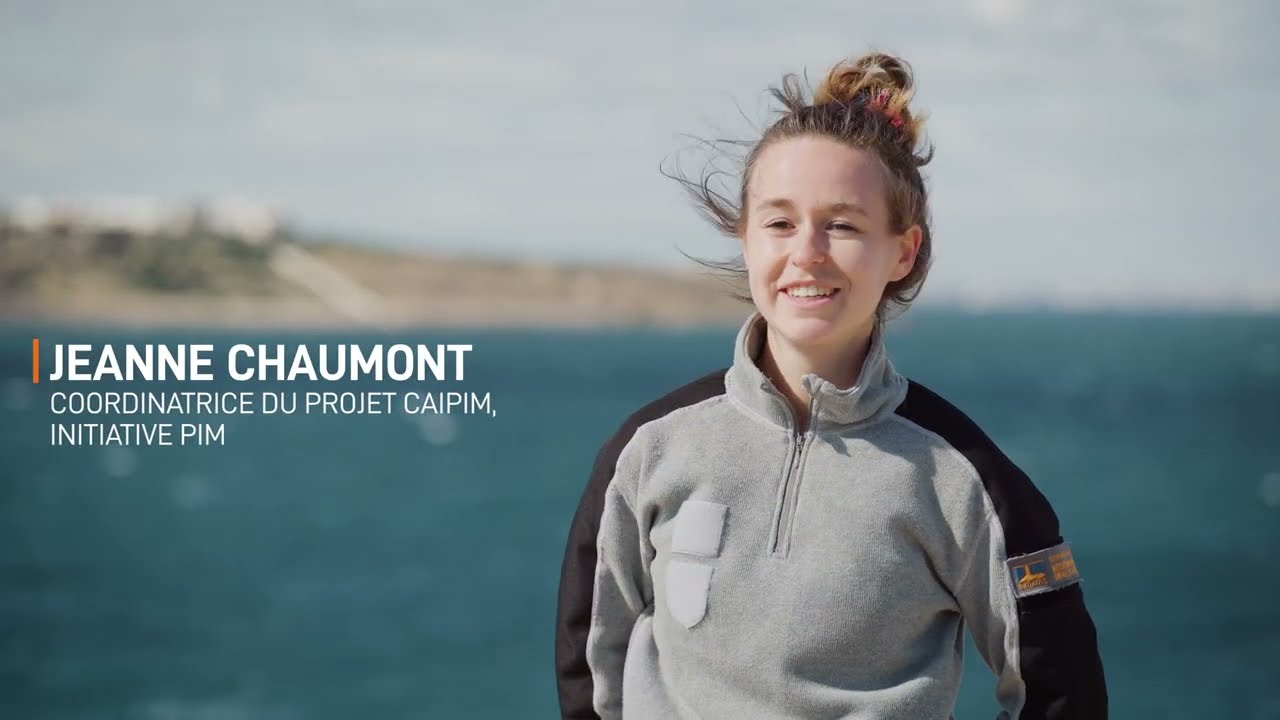
Recap of the training in video
Realisation : Hedi Chouchane